
Diquat: Uses, Health Effects, Safety and Regulation
Diquat is an herbicide and algaecide that kills plants through redox cycling, which generates reactive oxygen species. Diquat dibromide, the form in products, is a...
Read article →Diquat is an herbicide and algaecide that kills plants through redox cycling, which generates reactive oxygen species. Diquat dibromide, the form in products, is a...
Read article →Picloram is a systemic pyridine herbicide that controls woody plants and broad-leaved weeds. Picloram has the chemical name 4-amino-3,5,6-trichloropicolinic acid....
Read article →Lambda-cyhalothrin is a pyrethroid insecticide, as a 2009 study by Jeffrey M Giddings describes it. Lambda-cyhalothrin is composed of isomers found in cyhalothrin, so...
Read article →Imazapyr is a herbicide that belongs to the imidazolinone class of chemicals. Imazapyr works by inhibiting the acetolactate synthase enzyme in plants, like other...
Read article →Deltamethrin is in the chemical class of pyrethroids, synthetic chemicals modeled after the pyrethrin components of pyrethrum. Deltamethrin consists of one pure...
Read article →Bromethalin is a neurotoxic rodenticide that damages the central nervous system. Bromethalin is a nonanticoagulant bait poison built to kill after a single ingested...
Read article →Fipronil is a broad use insecticide that belongs to the phenylpyrazole chemical family. Fipronil is a white powder with a moldy odor, says the NPIC (Oregon State...
Read article →Pyrethrins are natural insecticides, a mixture of six chemicals toxic to insects that occur in some chrysanthemum flowers. Pyrethrins contain pyrethrin-I and...
Read article →Quinclorac is a quinolinemonocarboxylic acid that is quinoline-8-carboxylic acid with the hydrogens at positions 3 and 7 replaced by chlorines. Quinclorac belongs to...
Read article →Spinosad is a natural substance made by a soil bacterium that can be toxic to insects. Spinosad is a mixture of two chemicals called spinosyn A and spinosyn D. The US...
Read article →Atrazine is a selective triazine herbicide that controls broadleaf and grassy weeds. Atrazine is a member of the triazine chemical class with simazine and propazine,...
Read article →Triclopyr is a pyridine herbicide whose parent acid has the chemical name 3,5,6-trichloro-2-pyridyloxyacetic acid. Triclopyr is sold mainly as a triethylamine salt...
Read article →Bifenthrin is a contact, broad-spectrum insecticide in the pyrethroid class. Bifenthrin is more toxic to insects than to people, because insects have lower body...
Read article →Autism spectrum disorder is a diverse group of conditions marked by some degree of difficulty with social interaction and communication. Autism spectrum disorder...
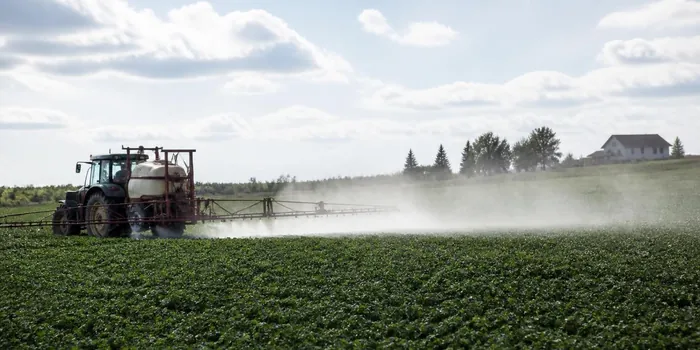
Read article →Pesticide drift is the airborne movement of pesticide dust or droplets from an area of application to any unintended site. Pesticide drift happens at the time of...
Read article →It depends. Organic pesticides are safer than synthetic pesticides only when their toxicity and dose stay low.
Read article →A banned pesticide is a pesticide whose production and use a law, an agency order or a treaty has withdrawn. The Stockholm Convention bans or restricts persistent...
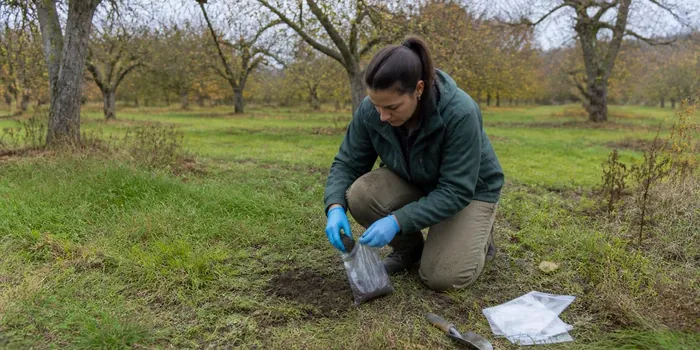
Read article →Pesticide residue analysis is the laboratory measurement of pesticide residues in a sample, including any significant chemical metabolites and degradates. Pesticide...
Read article →Arsenic pesticides are insecticides, fungicides, herbicides and defoliants with an inorganic or organic arsenic active ingredient. These arsenic pesticides rest on...
Read article →It depends. Some pesticides cause cancer in humans, but the risk depends on the pesticide and the exposure. The Environmental Protection Agency says cancer risk...
Read article →Carbamate pesticides are insecticides derived from carbamic acid. Carbamate pesticides kill insects by reversibly inactivating the enzyme acetylcholinesterase, a...
Read article →Organophosphate and carbamate pesticides harm the human body by inhibiting acetylcholinesterase. Acetylcholinesterase inhibition lets acetylcholine accumulate at...
Read article →The health effects of pesticides fall into five groups: nervous system, skin and eye, cancer, reproductive and endocrine effects. Pesticides produce different effects...
Read article →It is safe to re-enter 2 to 4 hours after general indoor spraying of pesticides, as pest control providers advise. The pesticide label sets the authoritative interval...
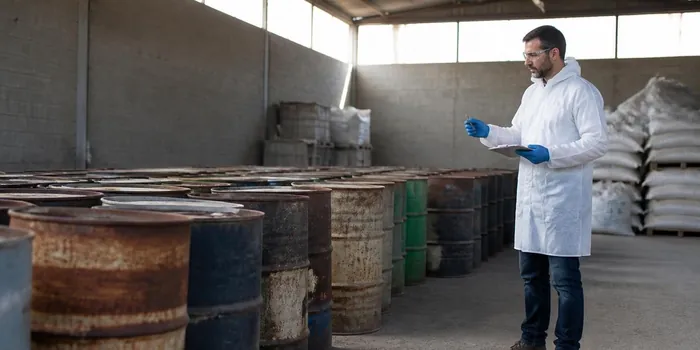
Read article →Pesticide waste is any material with any concentration of pesticide that counts as no longer desirable. Pesticide waste covers rinse material from containers and...
Read article →Glyphosate is a broad-spectrum herbicide registered by EPA for use on many crops and in non-crop sites. A 2007 study by Maurício Ribeiro Marques from São Paulo State...
Read article →Neonicotinoid pesticides are a class of chemicals that act as insecticides through neurotoxic effects. Neonicotinoids bind irreversibly to insect nicotinic...
Read article →Organophosphate pesticides are a class of insecticides made by esterifying alcohol and phosphoric acid. Several of them are highly toxic. Organophosphate pesticides...
Read article →Paraquat, or paraquat dichloride, is a synthetic herbicide of the bipyridylnium chemical family. Paraquat is only formulated as a liquid. It kills all vegetation that...
Read article →The Parkinson's pesticide lawsuit is a group of product liability claims over paraquat and Parkinson's disease. The Parkinson's pesticide lawsuits argue that...
Read article →Pesticide exposure is contact between the body and chemicals that kill or control pests. Those pests include insects, rodents, bacteria and fungi. Pesticides are...
Read article →Pesticide poisoning in dogs is a toxic illness caused by contact with a product that kills or repels pests. Pesticide poisoning in dogs ranges from mild to...
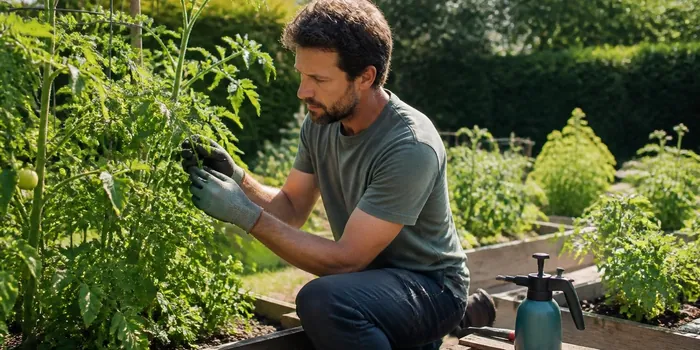
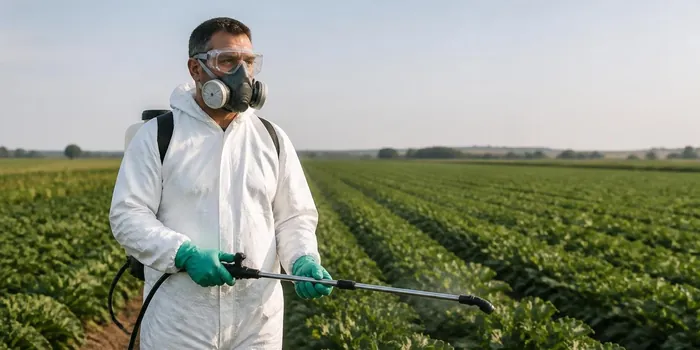
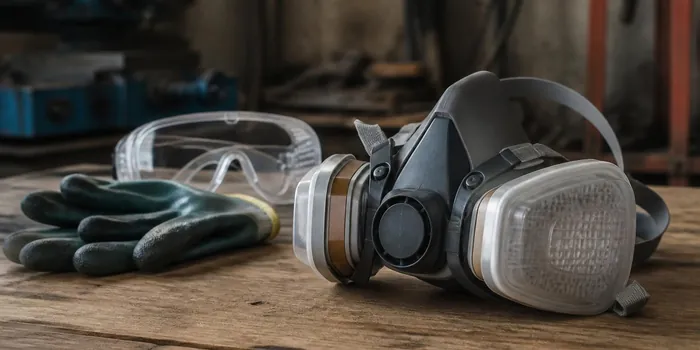
Read article →Pesticide PPE is protective equipment that handlers wear to keep pesticides off the body. Pesticide PPE includes coveralls or protective suits, footwear, gloves,...
Read article →Pesticide residue is the trace amount of a pesticide chemical that remains in or on food after application. Pesticide residue can be the applied chemical, its...
Read article →A pesticide respirator is protective equipment that keeps the wearer from breathing pesticide-contaminated air. The pesticide respirator is the most specialized piece...
Read article →Pesticide safety is the practice of protecting the applicator, nearby people, animals, plants and the environment from pesticides. In 2026 the University of...
Read article →It depends. Pesticides show a consistent statistical association with Parkinson's disease, but cause as a proven effect is not established. The EPA has not found a...
Read article →What makes a pesticide safe for pets is use that follows the pesticide label directions. Pet pesticide risk depends on how much pesticide a pet meets. Toxicity of the...
Read article →It depends. Indoor pesticide use is safe only with an indoor label and the labeled amount. Pesticides are inherently toxic, and the label of a registered product...
Read article →Pesticide poisoning is an acute or subacute systemic, eye or skin illness from exposure to a pesticide. Pesticide poisoning follows inhalation, ingestion, skin or eye...
Read article →