
Are Organic Pesticides Safer?
Organic pesticides are safer than synthetic ones only when their toxicity and dose stay low. An organic pesticide is one that can be used while keeping the USDA organic label. Organic food does have less pesticide residue than food overall, according to EFSA monitoring. But organic pesticides can still harm non-target organisms such as bees and beneficial insects. They are regulated through federal registration, state registration and the organic standards. So gardeners should treat them as a last resort.
Are Organic Pesticides Safer Than Synthetic Pesticides?
It depends. Organic pesticides are safer than synthetic pesticides only when their toxicity and dose stay low.
Environmental Protection Agency pages from 2020 and 2026 describe biopesticides as natural and usually less toxic than conventional pesticides. Azadirachtin shows low toxicity to mammals. 10 of the 26 active substances approved in EU organic agriculture have any identified toxicity. Among all 385 EU approvals, 340 have an identified toxicity.
Organic pesticides carry signal words from CAUTION to DANGER, as synthetic pesticides do. Some organic products hold the lowest label, CAUTION, while others hold DANGER, which means highly toxic. Organic status therefore does not set safety.
Many organic pesticides are less toxic than synthetic counterparts. That does not make them safe or free of environmental harm. Pesticide risk depends on two things: exposure, meaning how much, and toxicity, meaning how poisonous. A small amount of synthetic pesticide may equal a large amount of organic to solve the same pest problem.
Glyphosate residues in food posed no risks of concern in the 2017 EPA assessment. Integrated Pest Management applies many of the same concepts, but organic production limits pesticides to natural sources. A 2024 review by Bibo Jiang in Nutrition reviews found that organic food intake reduced pesticide exposure biomarkers.
Can Organic Pesticides Be Toxic to People?
Yes. Organic pesticides can be toxic to people, because natural origin does not guarantee low toxicity.
Nicotine sulfate comes from tobacco dust, and organic production prohibits it with arsenic because of their toxicity. Personal protective equipment may be required by the label even for naturally occurring products.
Pyrethrins are found in over 2,000 registered pesticide products. Pyrethrins are low in toxicity to people and other mammals in general. Spinosad is a natural substance made by a soil bacterium that can be toxic to insects. Spinosad is low in toxicity to people and other mammals. Sulfur is an element that exists in nature and can be found in soil, plants, foods and water. Sulfur is low in toxicity to people.
A 2005 study by Alex T Proudfoot in Toxicological reviews found that pyrethrins are generally of low acute toxicity. Convulsions may occur if substantial amounts are ingested. Lice shampoo containing pyrethrins irritated the eyes of children who got it in their eyes. A poison control center is a medical service that provides immediate, free and expert treatment advice by telephone.
3 of the 26 EU organic-approved substances carry an acute toxicity classification, against 99 of 385 approved overall. Pyrethrins are classified as acutely toxic class 4.
How Do Signal Words Show Pesticide Toxicity?
Signal words show pesticide toxicity by describing the acute toxicity of the formulated pesticide product. Signal words appear as DANGER, WARNING or CAUTION on the label.
EPA requires the signal word on the front panel in all capital letters on most pesticide product labels. EPA must evaluate pesticides thoroughly before sale to ensure that they meet federal safety standards. The National Pesticide Information Center, a collaboration between Oregon State University and EPA, publishes these toxicity categories.
An acute oral LD50 up to and including 50 mg/kg places a product in Category I, DANGER. A product with an LD50 greater than 50 through 500 mg/kg falls in Category II, WARNING. An LD50 greater than 500 through 5000 mg/kg falls in Category III, CAUTION. Products in the lowest toxicity category by all routes of exposure need no signal word.
Do Organic Pesticides Break Down Faster?
Yes. Organic pesticides often break down faster than synthetic pesticides, so they persist less in the environment. Synthetic pesticides are usually cheaper but last longer in the environment.
The half-life of azadirachtin in soil ranges from 3-44 days. Azadirachtin, a triterpenoid in the limonoid group, is a secondary metabolite present in neem seeds. Its half-life on plant leaves is 1-2.5 days. Its half-life in water runs from 48 minutes to 4 days. Microbes and light break down azadirachtin in soil, water and on plants.
Natural pesticides break down quickly but may require repeated applications to affect pests. Biopesticides often decompose quickly, which results in lower exposures. Copper is the exception. The Xerces Society and University of Delaware reported in 2019 that copper can accumulate in soils. Contaminated soils are difficult to remediate.
What Is an Organic Pesticide?
An organic pesticide is a pesticide that can be used while keeping the USDA organic label. An organic pesticide comes from animal, vegetable or mineral origin. Both the active ingredients and the other ingredients in a product must meet USDA criteria. A synthetic inert such as petroleum distillates disqualifies a product.
The National Organic Program develops the rules for the production, handling, labeling and enforcement of all USDA organic products. Only pesticides that meet its criteria may be used in organic crop production in the United States. In general, synthetic substances are prohibited in organic production, and non-synthetic substances are allowed.
7 CFR Part 205 contains all USDA organic standards. These standards include prohibited practices, requirements and the National List of Allowed and Prohibited Substances. The Agricultural Marketing Service defines the organic label as a sign of production under federal organic standards. Those standards require practices that cycle resources, conserve biodiversity and preserve ecological balance.
Organic foods are not necessarily pesticide-free. Ohio State University Extension noted in 2018 that carbon has no implications for the safety or origin of a pesticide. The OMRI Products list holds over 5,500 products.
Which Pesticides Are Allowed in Organic Farming?
The pesticides allowed in organic farming include neem oil, spinosad, Bacillus thuringiensis, pyrethrins, sulfur and copper. Key types include:
- Neem oil: Neem oil is a naturally occurring biopesticide from neem tree seeds, used in over 100 registered pesticide products. Azadirachtin in neem oil reduces insect feeding and acts as a repellent. Insects must eat the treated plant to die, so neem oil is practically non-toxic to birds, mammals and bees.
- Spinosad: Spinosad is an insecticide made by a soil bacterium and found in over 80 registered pesticide products. It is both a nerve and stomach poison, killing pests that eat it or touch it. Its toxicity to people stays low, but its bee toxicity is the trade-off, covered below.
- Bacillus thuringiensis (Bt): Bacillus thuringiensis is a gram-positive, soil-dwelling bacterium used as a bacterial insecticide. Bt spores carry proteins that are toxic to insect larvae when eaten.
- Pyrethrins: Pyrethrins are insecticides found naturally in chrysanthemum flowers and are generally separated from the flowers. They appear in the largest number of registered products, as noted earlier. Their trade-off is harm to bees and fish, detailed below.
- Sulfur: Sulfur is a fungicide registered for use in pesticide products in the United States since the 1920s. It stays low in toxicity to people, but ingesting too much may cause a burning sensation or diarrhea.
- Copper: Copper is a fungicide that organic farmers apply widely. Sulfur and copper are the first- and second-most-applied fungicides on organic farms, reported by 40% and 34% of responding farmers. Copper’s trade-off is soil buildup, so heavy repeated use should be avoided.
UF/IFAS noted in 2024 that Bt can target a specific order of insect pests without harming others. Diatomaceous earth consists of the fossilized remains of diatoms, hard-shelled microalgae that accumulated over millions of years. Products that contain diatomaceous earth must be registered with EPA. Sabadilla seeds may have been spread by pre-Columbians who used them as pesticides.
Which Natural Substances Are Banned From Organic Farming?
The natural substances banned from organic farming include arsenic, strychnine, tobacco dust (nicotine sulfate) and rotenone. Rotenone is a potent botanical pesticide whose toxicity and environmental impact are a source of mounting concern.
Rotenone is highly toxic to honey bee larvae. Strychnine is a neurotoxin that blocks glycine receptors and causes uncontrollable muscle contractions. Arsenic and nicotine sulfate are not registered for use in Ohio in conventional agriculture either.
The National List of Allowed and Prohibited Substances sets these bans. Under it, natural substances are allowed unless specifically prohibited, and synthetic substances are prohibited unless specifically allowed.
Pyrethroids operate similarly to pyrethrins, but only pyrethrins are approved for organic agriculture because of their natural origins. Pyrethroids are used as commercial and household insecticides. Plant-incorporated protectants are classified as biopesticides but are not acceptable in organic farming.
Who Decides Which Pesticides Count as Organic?
The National Organic Program decides which pesticides count as organic by writing the rules through rulemaking. Rulemaking involves input from the National Organic Standards Board, a Federal Advisory Committee of fifteen members of the public. The public gives input as well.
The Organic Foods Production Act of 1990 requires the Agriculture Secretary to create the National List. Under the National List, natural substances are allowed unless specifically prohibited. The Organic Materials Review Institute, an international nonprofit, determines which products are permitted in organic production. Two organizations maintain specific lists: that institute and the Washington State Department of Agriculture.
More than 40 private organizations and state agencies certify organic food. Their standards may differ. EPA-approved organic pesticides carry the three-leaf organic emblem. The National Organic Program develops and enforces the standards for organic crops, livestock and agricultural products. Its Final Guidance on Labeling Pesticide Products, dated January 31, 2003, describes how registrants obtain EPA approval of label language.
Does Organic Food Have Less Pesticide Residue?
Yes. EFSA monitoring shows that organic food has less pesticide residue than food overall. Organic food is not pesticide-free.
BioMed Central noted in 2017 that EFSA found residues below the maximum residue level in 43.7% of all samples. The same figure for organic food samples is 13.8%.
2.8% of all samples and 0.9% of organic samples exceeded the maximum residue level. 1.5% of samples were calculated to exceed the acute reference dose, and none of the organic samples did. A maximum residue level is the highest pesticide residue legally tolerated on food when pesticides are applied correctly.
Crystal Smith-Spangler reported in 2012 that organic produce carried detectable pesticide residues less often than conventional produce. The work appeared in Annals of internal medicine. Differences in risk of exceeding maximum allowed limits were small. Marcin Barański found in 2014 that residues occurred four times more often in conventional crops. That finding in The British journal of nutrition rests on meta-analyses of 343 peer-reviewed publications.
Maximum residue levels reflect the approved use of a pesticide rather than its toxicological relevance. Spray drift, volatilisation from neighbouring fields, contamination in transport and storage, and mislabelling can contaminate organic products. The European Food Safety Authority assesses maximum residue levels through an evaluation of consumer exposure and potential health effects.
The Pesticide Data Program monitors residues nationally and produces the most comprehensive pesticide residue database in the United States. The program supports the Food Quality Protection Act of 1996.
How Much Does an Organic Diet Reduce Pesticide Exposure?
An organic diet reduces pesticide exposure by 60.7% to 95.0% in urinary levels, depending on the pesticide. Urinary clothianidin fell 82.7%, malathion dicarboxylic acid 95.0% and TCPy 60.7% in a 2019 study by Carly Hyland.
The household study covered 16 participants in four families and 158 urine samples. TCPy is a chlorpyrifos metabolite.
Total dialkylphosphate metabolites were 89% lower in the organic phase, found a 2014 study by Liza Oates. Participants ate a diet of at least 80% organic or conventional food for 7 days in each phase. The crossover study had 13 participants.
Urinary excretion of pesticides was markedly reduced after 1 week of limiting consumption to organic food. Urinary pesticide metabolite concentrations are generally higher in children than in adults. Pesticide residues in food constitute the main source of exposure for the general population.
Clothianidin is one of three pesticides, with imidacloprid and thiamethoxam, that EPA evaluated for effects on listed species. Malathion is an organophosphate pesticide registered for agricultural and non-agricultural uses, including controlling mosquitos. Chlorpyrifos shows risks from dietary exposure, meaning residues on food crops, and from drinking water.
Is Organic Food Healthier Because of Fewer Pesticides?
It depends. Organic consumption lowers pesticide exposure, but healthier outcomes from fewer pesticides in organic food are not proven.
A 2017 study by Axel Mie found that organic food consumption may reduce allergic disease risk. Overweight and obesity risk may fall as well. The evidence is not conclusive because of likely residual confounding.
Crystal Smith-Spangler’s 2012 analysis found that only 3 of the human studies examined clinical outcomes. Those studies found no significant differences between populations by food type for allergic outcomes. A 2024 systematic review pooled 23 observational and 27 interventional human studies through November 2022.
Organic consumers tend to have healthier lifestyles overall. Lower exposure is not the same as better health. Epidemiological evidence linking pesticide exposure and health effects is rarely regarded as sufficiently reliable for regulatory risk assessment. Rodale Institute is a non-profit organization that supports research into organic farming.
How Do Organic Pesticides Affect Bees and the Environment?
Organic pesticides affect bees and the environment by harming non-target organisms such as bees and beneficial insects. Harm to bees ranges from immediate mortality to sublethal changes in reproduction, foraging, navigation and memory.
The Xerces Society for Invertebrate Conservation is a non-profit group that conserves invertebrates essential to biological diversity.
Neem oil spares birds and bees, as noted above, but it is slightly toxic to fish. Insects must eat neem-treated plants to be killed, so bees and other pollinators are not likely to be harmed. Spinosad is very highly toxic to bees. Pyrethrins are highly toxic to honey bees and highly to very highly toxic to fish.
Copper can accumulate in soils, and contaminated soils are difficult to remediate. Acetic acid applications above 10% concentration are likely toxic to bees and other beneficials. University of New Hampshire Extension stated in 2019 that organic does not mean only the target pest is killed. EPA evaluated clothianidin, imidacloprid and thiamethoxam for effects on over 1,700 listed species and over 800 designated critical habitats.
Which Organic Pesticides Are Most Toxic to Bees?
The organic pesticides most toxic to bees are pyrethrins, spinosad, and hydrogen dioxide and peroxyacetic acid. The Xerces Society rates all three HIGH for bee toxicity on a scale from LOW to HIGH.
Pyrethrins are highly toxic to honey bees. Spinosad is very highly toxic to bees when wet. Spinosad has little or no effect on honey bees after sprays have dried. Hydrogen dioxide and peroxyacetic acid products are rated HIGH.
How Are Organic Pesticides Regulated?
Organic pesticides are regulated through federal registration, state registration and the organic standards. EPA registration covers all pesticides, synthetic and naturally derived, before sales and distribution in the United States. Each state registers them again.
EPA registration assesses active and inert ingredients, crops, the amount, timing and frequency of use, and disposal practices. EPA regulates pesticides under two major statutes. One is the Federal Insecticide, Fungicide, and Rodenticide Act, known as FIFRA. The other is the Food Quality Protection Act of 1996.
Minimum risk pesticides are exempt from federal registration under FIFRA. EPA found that they pose little to no risk to human health or the environment. Section 25(b) products may still be registered as pesticides in a state even though they are exempt from EPA registration. Appropriate personal protection and label instructions still apply to minimum risk products.
The Food Quality Protection Act of 1996 sets a goal of reviewing each registration once every 15 years. EPA generally requires much less data to register a biopesticide than a conventional pesticide. EPA counted 390 registered biopesticide active ingredients as of August 31, 2020.
How Can Gardeners Use Organic Pesticides Safely?
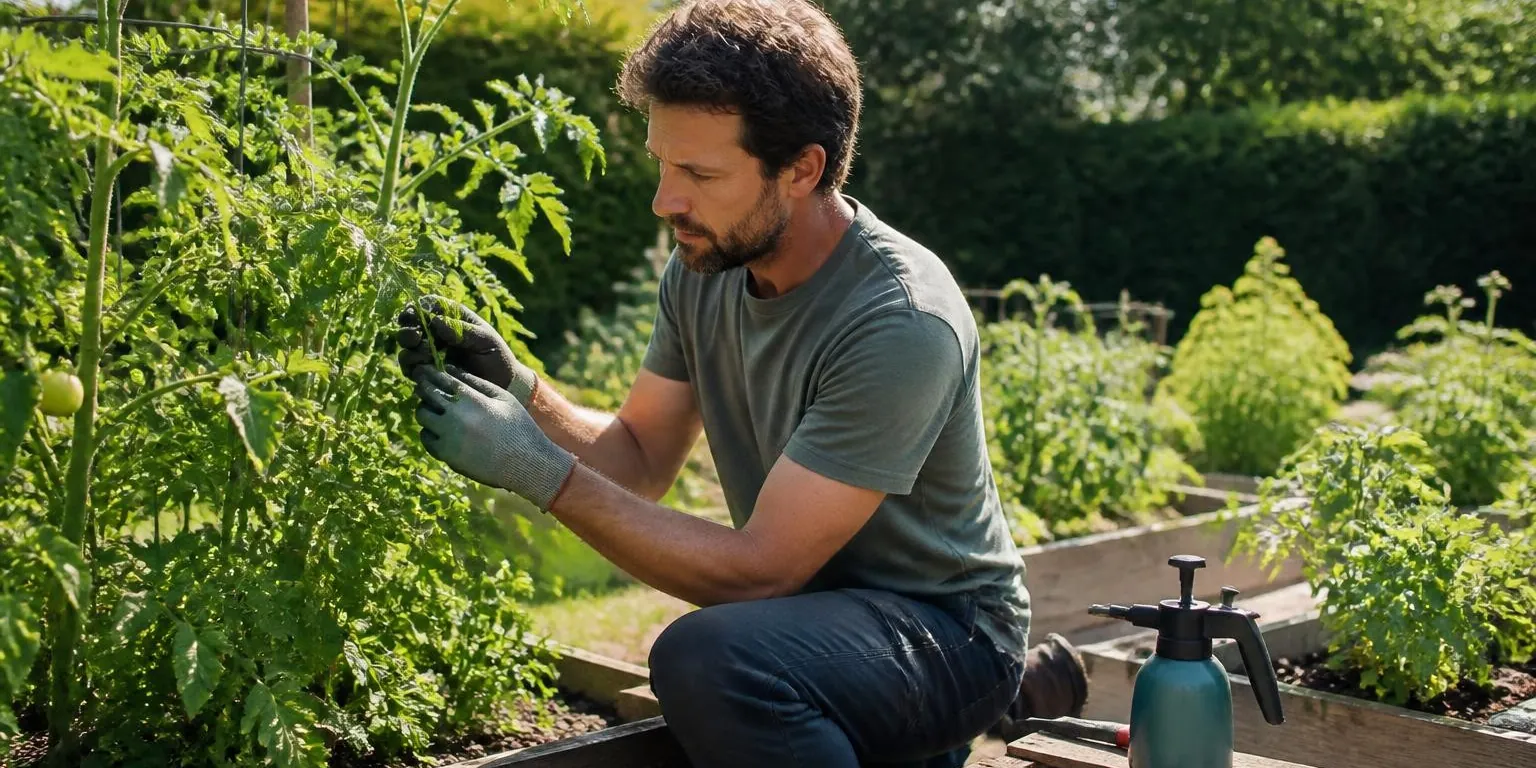
To use organic pesticides safely, gardeners start by treating them as a last resort. Pesticide use ranks behind proper plant culture and hand-picking of insects. Identify the pest correctly, since many problems yield to hand-picking. Choose the least toxic registered product.
Pesticide label directions apply regardless of origin, and the label may require personal protective equipment even for naturally occurring products. The signal word guides product choice: CAUTION means slightly toxic, WARNING moderately toxic and DANGER highly toxic.
Spinosad should not be used where bees are present, because it is very highly toxic to bees when wet. Homemade pesticides made from dish soap and vinegar have not been university tested for efficacy, toxicity or environmental effects. Integrated Pest Management is an effective and environmentally sensitive approach that relies on a combination of common-sense practices.