Atrazine: Uses, Health Effects, Safety and Regulation

Atrazine is a selective triazine herbicide that controls broadleaf and grassy weeds. It is used on crops such as corn, sorghum, sugarcane and pineapple, and it stops photosynthesis in weeds. Atrazine is slightly to moderately toxic to humans and other animals. People get exposed through farm work, contaminated drinking water and household dust. Whether it causes cancer depends, since it causes mammary tumors in one strain of female rats. It is practically nontoxic to birds and honeybees, but slightly to moderately toxic to fish. Atrazine persists in soil and has been detected in wells and surface water. It is banned in the European Union, and in the United States it is regulated through EPA registration review.
What Is Atrazine?
Atrazine is a selective triazine herbicide that controls broadleaf and grassy weeds. Atrazine is a member of the triazine chemical class with simazine and propazine, and simazine is a related triazine herbicide. Pure atrazine is an odorless, white powder that is not very volatile, reactive or flammable. Manufacturers sell it as dry flowable, flowable liquid, liquid, water dispersible granular and wettable powder formulations. Trade names include Aatrex, Aatram, Atratol and Gesaprim. The ATSDR Public Health Statement for Atrazine from the CDC cites a 2003 toxicological profile. It says atrazine is made in the laboratory and does not occur naturally. Its product label lists it as a restricted use herbicide because of ground and surface water concerns.
What Crops Is Atrazine Used On?
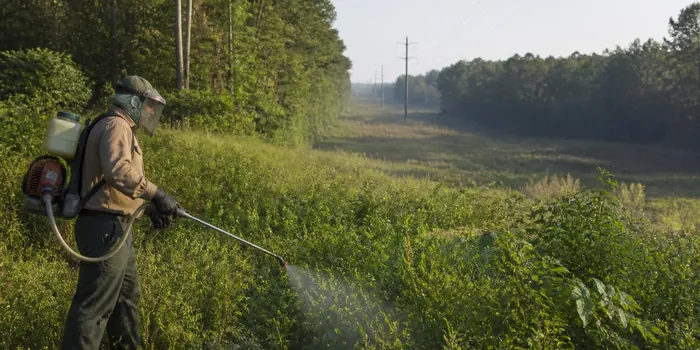
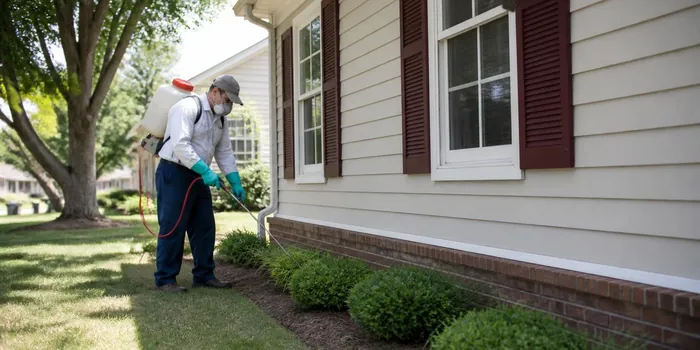
Atrazine is used on crops such as corn, sorghum, sugarcane, pineapple, and Christmas tree and conifer reforestation plantings. Atrazine sees its greatest use on corn, sorghum and sugarcane. Non-crop uses of atrazine include residential lawns, golf courses, and highway and railroad rights-of-way. Atrazine is usually used in the spring and summer months.
How Does Atrazine Kill Weeds?
Atrazine kills weeds by stopping photosynthesis in the shoots and leaves of the weed. Atrazine must dissolve in water and enter plants through their roots. Atrazine inhibits photosynthesis in susceptible plant species, says the 1996 ExToxNet Pesticide Information Profile: Atrazine from Oregon State University. Atrazine collects in the growing tips and the new leaves of the plant. Plants not affected by atrazine break it down before it can affect photosynthesis.
How Toxic Is Atrazine to People?
Atrazine is slightly to moderately toxic to humans and other animals. Atrazine is low in toxicity if eaten and very low in toxicity if breathed in. It is a mild skin irritant, with rashes reported after exposure. Agricultural Health Study data show that people exposed to more atrazine had a higher risk of end-stage renal disease. That finding comes from the 2020 NPIC, Oregon State University: Atrazine fact sheet. Long-term consumption of high levels of atrazine has caused tremors, organ weight changes, and liver and heart damage.
What Are the Acute Toxicity Levels of Atrazine?
Acute toxicity levels of atrazine include an oral LD50 of 3090 mg/kg in rats and 1750 mg/kg in mice. Atrazine has an oral LD50 of 750 mg/kg in rabbits and 1000 mg/kg in hamsters. The dermal LD50 of atrazine is 7500 mg/kg in rabbits and greater than 3000 mg/kg in rats. A 4-hour inhalation LC50 of 5.2 mg/L applies in rats. These values come from animal tests, so the numbers vary by species. The ExToxNet profile was last revised in 1996 and its information may be out-of-date.
What Are the Chronic Health Effects of Atrazine?
Atrazine causes chronic health effects in animals, and liver, kidney and heart damage is possible in humans although not examined. Atrazine produces these key effects in animal tests:
- Liver damage in animals: Atrazine damages the liver in animals, and the same damage is possible in humans although not examined.
- Kidney damage in animals: Atrazine damages the kidney in animals, and the same damage is possible in humans although not examined.
- Heart damage in animals: Atrazine damages the heart in animals, and humans were not examined for this damage.
- Growth retardation in rats: Rats fed atrazine at 5 and 25 mg/kg/day for 6 months showed growth retardation.
- Increased heart and liver weights in dogs: A 2-year feeding study at 7.5 mg/kg/day caused higher heart and liver weights in dogs.
Some effects of atrazine seen in animals are not likely to occur in humans because of biological differences.
How Does Atrazine Enter and Leave the Body?
Atrazine enters the body mainly through the gut and leaves the body mostly in urine. Atrazine is readily absorbed through the gastrointestinal tract. After 24 hours on human skin, about 6% of the dose is absorbed. Most metabolites leave the body within 24 to 48 hours, mainly in urine. Atrazine does not build up or remain in the body.
How Do People Get Exposed to Atrazine?
People get exposed to atrazine through farm work, contaminated drinking water and household dust. Farm workers and herbicide applicators may be exposed because atrazine is applied to crops. Contaminated drinking water from wells near application areas exposes people to atrazine. Low amounts of atrazine turn up in carpet and house dust in homes in the Midwest. Most people are not exposed to atrazine on a regular basis.
Is There a Medical Test for Atrazine Exposure?
Yes. A medical test for atrazine exposure detects atrazine in blood, fat, semen and breast milk. Specific and sensitive tests have been developed to detect atrazine in these samples. The Agency for Toxic Substances and Disease Registry, a US federal agency, publishes the atrazine public health statement. These tests detect only exposures within 24 to 48 hours. They cannot estimate how much atrazine was taken in or whether adverse effects will occur.
What Are the Symptoms of Atrazine Poisoning?
Atrazine poisoning causes symptoms that range from digestive upset to nervous system signs. Key symptoms of atrazine poisoning include:
- Abdominal pain: Abdominal pain is a digestive symptom reported after atrazine exposure.
- Diarrhea and vomiting: Diarrhea and vomiting are digestive symptoms reported after atrazine exposure.
- Eye irritation: Atrazine is not considered an eye irritant, but swelling or redness may occur if it gets in the eyes.
- Irritation of mucous membranes: Atrazine exposure has caused irritation of mucous membranes.
- Skin reactions: Skin exposure to atrazine may cause mild irritation, redness, or swelling.
- Muscle weakness and tremors after accidental ingestion: People who accidentally ate atrazine had goosebumps, fatigue, difficulty breathing, nose bleeds, facial swelling, salivation, and drooping eyelids.
Products containing atrazine must bear the Signal Word CAUTION.
What First Aid Is Needed After Atrazine Exposure?
To manage atrazine exposure, be sure to follow the First Aid instructions on the product label carefully. For additional treatment advice after atrazine exposure, contact the Poison Control Center at 800-222-1222. Call NPIC at 800-858-7378 for a pesticide problem.
Does Atrazine Cause Cancer?
It depends. Atrazine causes mammary tumors in one strain of female rats, and the human evidence is not definitive. There is not enough information to definitively state whether atrazine causes cancer in humans. Studies of human populations suggest a possible link with some cancers, not a definitive one. A 2013 study by Paolo Boffetta found no causal association between atrazine and cancer using a weight-of-evidence approach. A 2011 study by Nalini Sathiakumar found the studies were limited by lack of in-depth exposure measurements. Small numbers of subjects had potential high exposure in these studies. Atrazine was the most common triazine investigated among the 36 studies evaluated. Chronic studies of atrazine and simazine and their common metabolites show mammary tumors only in female Sprague Dawley (SD) rats. Other animal studies did not find atrazine-related increases in cancer. EPA reached its 2020 Interim Registration Review Decision for atrazine. It concluded that atrazine is “not likely to be carcinogenic to humans”. In 2025, the International Agency for Research on Cancer (IARC) reclassified atrazine as “probably carcinogenic to humans,” or Group 2A.
How Has IARC Classified Atrazine for Cancer?
IARC has classified atrazine as probably carcinogenic to humans in 2025, which places it in Group 2A for cancer. Before that, IARC had determined that atrazine is not classifiable as to its carcinogenicity to humans. The 2025 change rests on strong mechanistic evidence in experimental systems, where scientists tested how atrazine could cause cancer. The International Agency for Research on Cancer is the WHO agency that classifies substances by carcinogenicity.
How Has the EPA Classified Atrazine for Cancer?
The EPA has classified atrazine for cancer as not likely to be carcinogenic to humans. That conclusion comes from the 2020 Interim Registration Review Decision for atrazine. The 2018 cumulative assessment found no risks of concern from dietary exposure, including drinking water. Lubow Jowa’s 2011 study reports elevated mammary tumors only in female Sprague Dawley (SD) rats after chronic atrazine dosing. Fischer rats, all strains of mice, and dogs showed no evidence of increased incidence of atrazine-associated tumors of any type. IARC placed atrazine in Group 2A in 2025, a class that differs from the EPA finding.
Does Atrazine Affect Reproduction and Children?
It depends. Atrazine affects reproduction in animals, but the evidence for children is inconsistent. Atrazine changed blood hormone levels in animals and affected the ability to reproduce. Studies of couples on farms using atrazine found an increase in the risk of pre-term delivery. Maternal exposure in drinking water was associated with low fetal weight and heart, urinary and limb defects in humans. A 2014 study by Michael Goodman found that none of the outcome categories had consistent positive associations across studies. Rats given dietary atrazine up to about 50 mg/kg/day showed no adverse reproductive effects. Dosing occurred on days 3, 6 and 9 of gestation. It is not known whether atrazine crosses the placenta or passes into breast milk.
How Toxic Is Atrazine to Birds, Fish and Bees?
Atrazine is practically nontoxic to birds and honeybees and slightly to moderately toxic to fish. Atrazine has an LD50 greater than 2000 mg/kg in mallard ducks. EPA concluded that 52 of 59 bird species would raise fewer young if exposed to atrazine. Atrazine harms fish, including guppies and rainbow trout, after exposures of four days or less. EPA models suggested that fish might be harmed at all application rates. Honeybees tolerate short-term contact or ingestion of atrazine because it is practically non-toxic to them.
How Long Does Atrazine Persist in Soil and Water?
Atrazine persists a long time in soil, with an average half-life of around 60 to 75 days. After application to soils, atrazine remains for several days to several months, in rare cases a few years. In water, atrazine reaches a half-life of around 578 days without oxygen and 168 days when exposed to sunlight. On plant material, the half-life is around 13 days in living foliage and 66 days in leaf litter. Atrazine breaks down more slowly in less acidic soil, and under cool, dry conditions. Chemical hydrolysis, followed by degradation by soil microorganisms, accounts for most of the breakdown of atrazine.
Does Atrazine Contaminate Drinking Water?
Yes. Atrazine contaminates drinking water, and surveys have detected it in wells and surface water. Atrazine has been found in water collected from many drinking water wells in the Midwestern United States. A nationwide survey detected atrazine in an estimated 1.7% of community water systems and 0.7% of rural domestic wells. Atrazine does not adsorb strongly to soil particles and has a lengthy half-life. Atrazine therefore has a high potential for groundwater contamination. The Safe Drinking Water Act is the federal law that requires community water systems to monitor for atrazine. The EPA page Atrazine, ingredients used in pesticide products, as it existed on January 19, 2021, describes the monitoring. Community water systems in the program are monitored weekly during peak atrazine use season. They are monitored biweekly during the rest of the year.
What Is the EPA Drinking Water Limit for Atrazine?
The EPA drinking water limit for atrazine is 3 µg/L. Atrazine carries a maximum contaminant level of 0.003 mg/L, which is the same limit in different units. Measured concentrations for community water systems are well below the drinking water level of comparison of 580 parts per billion. The limit protects everyone who drinks from community water systems.
Is Atrazine Found in Food?
Yes. Atrazine is found in food at very low levels, and legal tolerances regulate the residues. Very low levels of atrazine may be found in food and drinking water. Atrazine was not found in many food samples, and only at very low levels. The 2011 text of 40 CFR 180.220 atrazine tolerances from Cornell LII sets the legal limits. Tolerances are established for the combined residues of the herbicide atrazine and its chlorinated metabolites. The tolerance for field corn grain is 0.20 ppm. The tolerance for cattle meat is 0.02 ppm.
What Is the Reference Dose for Atrazine?
The reference dose (RfD) for atrazine is 0.035 mg/kg/day. The 1993 EPA IRIS chemical summary for atrazine sets it from decreased body weight gain. The NOAEL is 3.5 mg/kg-day, and a composite uncertainty factor of 100 applies. The record was last updated in 1993. The ExToxNet profile was last revised in June 1996 and its information may be out-of-date.
How Is Atrazine Regulated in the United States?
Atrazine is regulated in the United States through EPA registration review. Atrazine completed its first round of registration review in 2020, and each registered pesticide is re-reviewed every 15 years. EPA released the Interim Registration Review Decisions for atrazine in September 2020. The 2020 decisions reduced the rate for granular residential turf products from 2.2 to 2.0 pounds active ingredient per acre. They cut the rate for residential turf sprays from 2.0 to 1.0 pounds active ingredient per acre. The FIFRA Scientific Advisory Panel advises EPA on atrazine risk assessments. EPA consulted this independent scientific panel on 12 occasions since 2000. The decisions added personal protective equipment for applicators. They added mandatory spray drift reduction language and herbicide resistance management language.
Is Atrazine a Restricted Use Pesticide?
Yes. Atrazine is a Restricted Use Pesticide, so only certified herbicide users may purchase or use it. The 2021 EPA PPLS label 035915-00004, the atrazine product label, carries the restriction. It states the restriction applies because of ground and surface water concerns. Certification is obtained through the state office where the herbicide user is licensed.
What Are the Occupational Exposure Limits for Atrazine?
Occupational exposure limits for atrazine are 5 mg/m3 of workroom air over an 8-hour workday. The Occupational Safety and Health Administration (OSHA) is a US federal agency. Its atrazine limit appears in the CDC statement. The National Institute for Occupational Safety and Health (NIOSH) is a US federal institute. It recommends an occupational standard for atrazine. NIOSH recommends 5 mg per cubic meter of workroom air during a 10-hour shift to protect from cancer concern. ACGIH sets a TLV of 5 mg/m3 over an 8-hour period. Factory workers who work with atrazine may be exposed to higher amounts of atrazine.
Is Atrazine Banned in the European Union?
Yes. Atrazine is banned in the European Union after the Commission withdrew authorisations for plant protection products containing this active substance. The UK legislation copy of Commission Decision 2004/248/EC on atrazine records the ruling. The Commission Decision of 10 March 2004 concerned the non-inclusion of atrazine in Annex I to Council Directive 91/414/EEC.
How Can Families Reduce Exposure to Atrazine?
To reduce exposure to atrazine, families start with avoiding areas where atrazine is used on crops or for weed control. Avoid digging in soils treated with atrazine, and avoid swimming in or drinking from streams, rivers and lakes with atrazine. Vacuum floors and dust surfaces frequently, especially in spring and summer. Note that higher amounts of atrazine have been found in these waterways in the spring and summer months.
How Can Workers Use Atrazine More Safely?
To use atrazine more safely, workers start with the personal protective equipment that the label requires. Wear coveralls over a long-sleeved shirt and long pants, plus waterproof gloves, when handling atrazine. Add a chemical-resistant apron, shoes plus socks when mixing and loading atrazine. Do not enter or allow entry into treated areas during the restricted entry interval of 12 hours. Remove clothing or PPE immediately if pesticide gets inside, then wash thoroughly.