
Fipronil: Uses, Health Effects, Safety and Regulation
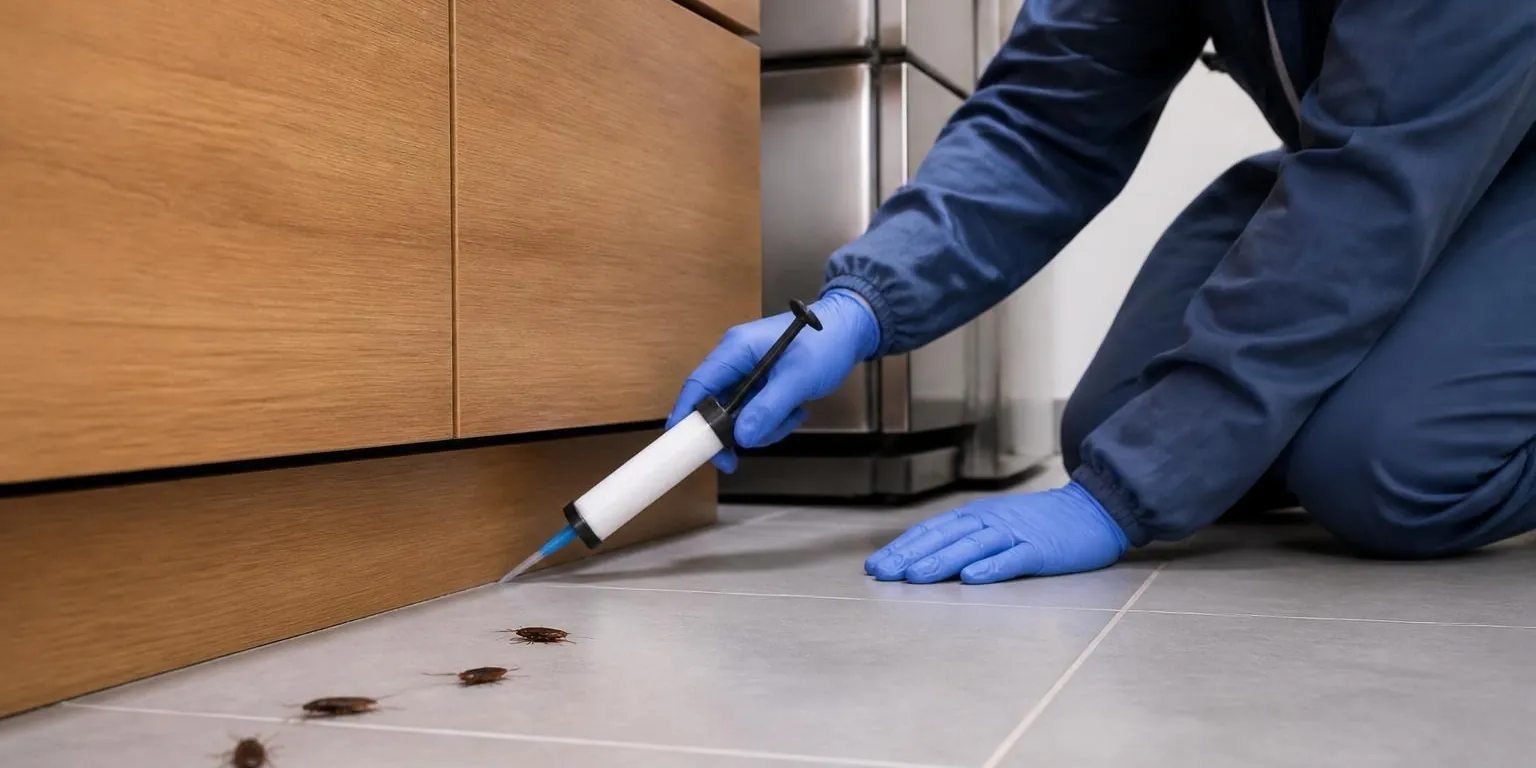
Fipronil is a broad use insecticide that belongs to the phenylpyrazole chemical family. It kills insects by blocking GABAA-gated chloride channels in the central nervous system. It is used in seed treatment and as a biocide against cockroaches. Poisoning can cause sweating, nausea, vomiting, seizures and other symptoms, and long-term effects include liver, kidney and thyroid damage. Fipronil is linked to cancer in rats, but no evidence shows it causing cancer in humans. It persists long in soil and is toxic to fish. It is registered in the United States. Residues are not allowed in food from animals intended for the food chain. Start with the product label for protective equipment.
What Is Fipronil?
Fipronil is a broad use insecticide that belongs to the phenylpyrazole chemical family. Fipronil is a white powder with a moldy odor, says the NPIC (Oregon State University), Fipronil fact sheet from 2009. The United States first registered this insecticide in 1996.
How Does Fipronil Kill Insects?
Fipronil acts to kill insects by blocking GABAA-gated chloride channels in the central nervous system. Fipronil exhibits differential binding affinity for GABAA receptor subunits, so receptor makeup shapes its effect on insects. The GABAA receptor is the chloride channel in nerve cells that fipronil blocks. A 2021 study by Zineb Soualah in Frontiers in neuroscience showed fipronil acts as a non-competitive antagonist on ternary receptors.
What Is Fipronil Used For?
Fipronil is used as a plant protection product in seed treatment and as a biocide against cockroaches. Fipronil is used in veterinary medicines to combat fleas, mites and ticks in dogs and cats. The RIVM, Fipronil in eggs page from 2017 states that professional companies may use a biocidal product based on fipronil.
Which Pests Does Fipronil Control?
Fipronil is used to control pests such as ants, beetles, cockroaches, fleas, ticks, termites, mole crickets, thrips, rootworms and weevils. The UC IPM Pesticide Active Ingredient Details page for fipronil shows no publication date, with 2026 as access year. That page lists carpenter ants, cockroaches, fleas, red imported fire ants and termites.
How Toxic Is Fipronil to People?
Fipronil has a dermal LD50 of more than 2,000 mg/kg in rats and 354 mg/kg in rabbits. Fipronil is toxic to people at doses the sources measure only in animals. A single gavage dose of 7.5 mg/kg is the lowest adverse-effect level in rats. The primary photodegradate fipronil-desulfinyl has an acute oral LD50 of 15 mg/kg in female rats and 18 mg/kg in males. That makes the metabolite more toxic than the parent compound. A 2013 Chemosphere study by J P Cravedi found rats eliminated about 4% of the dose through each route.
What Are the Acute Oral Toxicity Values for Fipronil?
The acute oral toxicity values for fipronil are an LD50 of 97 mg/kg in rats and 95 mg/kg in mice. Fipronil toxicity in both species is expressed in mg/kg. The NPIC Fipronil technical fact sheet, archived after NPIC stopped updating it in 2011, lists both values.
What Are the Symptoms of Fipronil Poisoning?
The symptoms of fipronil poisoning are sweating, nausea, vomiting, headache, abdominal pain, dizziness, agitation, weakness and tonic-clonic seizures. Fipronil exposure causes these signs, which are generally reversible. Key symptoms include:
- Sweating: Sweating is a reported sign of fipronil poisoning in people.
- Nausea: Nausea is a reported sign that follows fipronil exposure.
- Vomiting: Vomiting is a reported sign of fipronil ingestion.
- Headache: Headache is a reported sign of fipronil exposure.
- Abdominal pain: Abdominal pain is a reported sign of fipronil poisoning.
- Dizziness: Dizziness is a reported sign of fipronil exposure.
- Agitation: Agitation is a reported sign of fipronil poisoning.
- Weakness: Weakness is a reported sign of fipronil exposure.
- Tonic-clonic seizures: Tonic-clonic seizures are a reported sign that shows central nervous system involvement.
A 2022 study by Ramkumar Jayaprakash reported a patient who presented with central nervous system manifestations. One man sprayed a fipronil product for five hours, and his symptoms developed after 2 hours and resolved spontaneously.
What First Aid Is Needed After Fipronil Exposure?
To give the first aid needed after fipronil exposure, start with the First Aid instructions on the product label. Contact the Poison Control Center on 1-800-222-1222 for treatment advice after a fipronil poisoning. Call the National Pesticide Information Center on 1-800-858-7378 to discuss an incident. Use that information service for pesticide incidents and questions. Take steps to minimize exposure and follow the label carefully. A paper titled Fipronil and Acetamiprid Poisoning: New Perils, from the Department of Critical Care Medicine, describes clinical fipronil poisoning.
What Are the Long-Term Health Effects of Fipronil?
The long-term health effects of fipronil are damage to the liver, kidneys and thyroid, plus seizures. Fipronil evidence for these effects is based primarily on animal studies. Key effects include:
- Liver damage: Liver damage follows repeated fipronil exposure in animal data.
- Kidney damage: Kidney damage appeared as histopathological alterations in male rats given fipronil.
- Thyroid gland damage: Thyroid gland damage is a long-term effect of fipronil named in the animal data.
- Seizures in animal studies: Seizures were observed in the form of epileptic seizures in animal studies.
- Lower thyroid hormone levels in rats: Lower thyroid hormone levels were found in rats exposed to fipronil.
A 2015 study by Abdel-Tawab H Mossa dosed male rats with fipronil for 45 days. The doses were 0.1, 1 and 10 mg/L in drinking water. That sub-chronic exposure caused histopathological alterations in the liver and kidney.
Is Fipronil Linked to Cancer?
It depends. Fipronil is linked to cancer in rats, but no evidence shows fipronil causing cancer in humans. Researchers found thyroid tumors in both male and female rats fed the highest dose. These findings are considered to apply only to rats. The U.S. Environmental Protection Agency, the US agency that classifies pesticides for carcinogenicity, classifies fipronil as a possible human carcinogen. RIVM states that fipronil is not carcinogenic. A 2021 study by Zhe Zhou in Applied microbiology and biotechnology says fipronil is classified as a C carcinogen.
How Long Does Fipronil Persist in the Environment?
Fipronil persists long in the environment, with a soil half-life of 122 to 128 days in sandy loam laboratory studies. Fipronil half-life in field soil ranges from 3 to 7.3 months. A 2003 study by Colin C D Tingle gives half-lives of 36 hours to 7.3 months, depending on conditions. Fipronil desulfinyl is generally more toxic than the parent compound and is very persistent. Fipronil binds to soil particles, which reduces its leaching through the soil profile.
How Toxic Is Fipronil to Bees, Fish and Birds?
Fipronil is toxic to fish, with 96-hour LC50 of 0.246 mg/L for rainbow trout and 0.083 mg/L for bluegill sunfish. Sheepshead minnows show a 96-hour LC50 of 0.130 mg/L for fipronil. Fipronil is highly toxic to honeybees by contact and ingestion when applied to plant foliage. Risks for bees from treated seeds have been identified in particular from exposure via dust. Fipronil is practically non-toxic to birds such as mallard ducks. The Worldwide Integrated Assessment is an international assessment of neonicotinoid and fipronil risks to biodiversity. It shows that these insecticides risk harm to earthworms and other soil invertebrates. A 2015 study by L W Pisa from Utrecht University assessed the state of knowledge on fipronil. It covered large-scale pollution effects on non-target invertebrate species.
Is Fipronil Registered in the United States?
Yes. Fipronil is registered in the United States. EPA found fipronil moderately persistent to persistent, with a half-life of 128 to 300 days. Fipronil is relatively immobile. The U.S. EPA Section 18 Ecological Risk Assessment for Fipronil Use to Control Cabbage (PC Code 129121) dates from 2005.
Is Fipronil Approved in the European Union?
It depends. Fipronil is deemed approved in the European Union under Regulation (EC) No 1107/2009. Regulation (EC) No 1107/2009 is the EU framework regulation for placing plant protection products on the market. Commission Implementing Regulation (EU) No 781/2013 of 14 August 2013 prohibits the use and sale of fipronil treated seeds. The Authority identified a high acute risk for bees resulting from dust.
Are Fipronil Residues Allowed in Food?
No. Fipronil residues are not allowed in food from animals intended for the food chain. Fipronil is not permitted for use in animals that are intended for the food chain. The FAO/WHO JMPR Fipronil evaluation from 2001 records that a 1997 JMPR assessed fipronil for toxicology only. The 2000 JMPR chose fipronil as a candidate for residue evaluation. This article records no residue limit value, because none was verified from an official page.
How Can Fipronil Be Used More Safely?
To see fipronil used more safely, start with the product label, which gives specific information on personal protective equipment. Wear basic personal protective equipment such as chemical resistant gloves, long sleeves and goggles. Always follow label instructions and take steps to minimize exposure during use. See the review by Colin C D Tingle titled Fipronil: environmental fate, ecotoxicology, and human health concerns.
What Personal Protective Equipment Is Needed With Fipronil?
The personal protective equipment needed with fipronil is chemical resistant gloves, long sleeves and goggles. Fipronil handlers should wear basic PPE to protect themselves from exposure. Key items include:
- Chemical resistant gloves: Chemical resistant gloves protect the skin from fipronil exposure.
- Long sleeves: Long sleeves cover the arms and protect the skin from fipronil exposure.
- Goggles: Goggles protect the eyes from fipronil exposure.
The University of Greenwich at Medway review titled Fipronil: environmental fate, ecotoxicology, and human health concerns covers fipronil.