Organophosphate Pesticides: Examples, Toxicity and Poisoning

Organophosphate pesticides are insecticides made by esterifying alcohol and phosphoric acid. Examples include chlorpyrifos, diazinon, malathion, parathion and dichlorvos. They are used on agricultural crops, in homes and gardens, and in veterinary practice. Toxicity is high, and the estimated fatal dose of parathion for an adult is 10 to 200 mg. Poisoning shows as muscarinic, nicotinic, central nervous system and respiratory effects. Doctors diagnose it from the history and the muscarinic toxidrome, and treatment starts with a clear airway and oxygen. Recovery is possible, though symptoms can return or leave permanent nervous system damage. Organophosphates are still used in the United States, with 36 registered mainly for agriculture.
What Are Organophosphate Pesticides?
Organophosphate pesticides are a class of insecticides made by esterifying alcohol and phosphoric acid. Several of them are highly toxic. Organophosphate pesticides target the nervous system, the respiratory tract and the cardiovascular system. The German chemist Gerhard Schrader first noticed their insecticidal action around World War II.
A 2013 study by John E Casida found that about 90 organophosphate and methylcarbamate insecticides remain in use. These insecticides hold 19% of worldwide insecticide sales. Organophosphate compounds serve domestic and industrial settings.
Parathion came from Schrader’s work for IG Farben in the 1940s. Schrader (1903 to 1990) specialized in discovering new insecticides. He is best known for his inadvertent discovery of nerve agents including sarin and tabun. The class includes nerve agents such as sarin, soman, tabun and VX. In 1995, the religious sect Aum Shinrikyo used sarin to poison people on a Tokyo subway.
Within about 48 hours, carbamates clear spontaneously from the body. Organophosphates, however, can bind cholinesterase irreversibly.
How Do Organophosphate Pesticides Work?
Organophosphate pesticides work by phosphorylating acetylcholinesterase at nerve endings, so the enzyme stops working. Phosphorylation of the serine at the active site of acetylcholinesterase is the first step. Acetylcholine then accumulates at the synapse and overstimulates muscarinic and nicotinic receptors. Acetylcholinesterase normally breaks acetylcholine down into acetate ion and choline.
Horst Thiermann wrote in 2007 that inhibition of acetylcholinesterase is the primary toxic mechanism. Atropine antagonises muscarinic overstimulation. Oximes reactivate the inhibited enzyme.
In vitro, dimethyl organophosphates age with a half-life of around 3 hours, while diethyl organophosphates need 33 hours. Aging is the loss of one alkyl group, which makes the enzyme bond essentially permanent. Parathion ages within 20 minutes, while diethyl organophosphates tend to need more than 48 hours.
Chlorpyrifos acts through acetylcholinesterase inhibition, like other organophosphate pesticides. Dichlorvos inhibits acetylcholinesterase in the nervous systems of insects. Thion forms (P=S) convert to far more toxic oxon forms (P=O) in the environment and in the body.
Methyl parathion is an organothiophosphate insecticide. Lipid-soluble organophosphates such as diazinon, fenthion and methyl parathion are stored in body fat and release late. This storage explains why some compounds poison for longer than others.
What Are Examples of Organophosphate Pesticides?
Examples of organophosphate pesticides include chlorpyrifos, diazinon, fenthion, malathion, parathion, dichlorvos and ethion. Chlorpyrifos is sold under the trade names Dursban, Lorsban and Brodan. The most common organophosphates behind poisoning are chlorpyrifos, diazinon, fenthion, malathion and parathion.
Parathion is a highly toxic product on the EPA list, alongside azinphos-methyl. Chlorpyrifos, diazinon and malathion rank as moderately toxic on the same list. The WHO places parathion in class Ia (extremely hazardous) and malathion in class III (slightly hazardous). The oral LD50 of parathion in rats is between 3 and 8 mg/kg.
Parathion is no longer registered for any use in the United States. Malathion is an organophosphate insecticide that acts as an acetylcholinesterase inhibitor.
Acephate, bensulide, dimethoate, naled, phorate and phosmet are registered for agricultural crops. Acephate is a foliar and soil insecticide of moderate persistence. Its residual systemic activity lasts about 10 to 15 days at the recommended use rate. Diazinon shares a common mechanism of toxicity with chlorpyrifos, malathion and parathion.
Chlorpyrifos is still used in agriculture, on golf courses and to control public health pests such as fire ants. A 2021 study by Majid Kermani found malathion, diazinon and chlorpyrifos in vegetables worldwide. The highest pooled chlorpyrifos level was 440 μg/kg in South Korea. The highest pooled malathion level was 222 μg/kg in Pakistan.
Where Are Organophosphate Pesticides Used?
Organophosphate pesticides are used in agricultural crops, homes and gardens, and veterinary practice. They are used on golf courses, in grain storage and terminals, and in public health pest control. Registered uses include corn, cotton and peanut seed treatment, mushroom houses, cattle ear tags and mosquito foggers.
Malathion is widely used in agriculture, residential landscaping, public recreation areas and mosquito eradication programs. Naled is used primarily to control adult mosquitos. Dimethoate is a widely used organophosphate insecticide and acaricide.
Systemic organophosphates such as demeton and disulfoton are taken up by the plant and moved into foliage and sometimes fruit. Fenitrothion concentrate was applied by ultralow volume in grain terminals. This method exposed workers to skin contact with the concentrate.
From 70 million pounds in 2000, US organophosphate insecticide use fell to 20 million pounds in 2012. EPA phased out residential organophosphate use between 2000 and 2005. Residential use of diazinon ended in 2004.
Vaneet Aggarwal reported in 2013 that California diazinon use fell from 501,784 kg in 2000 to 64,122 kg in 2010. The California Department of Pesticide Regulation proposed making chlorpyrifos products used to produce agricultural commodities a restricted material.
How Toxic Are Organophosphate Pesticides?
The estimated fatal dose of parathion for an adult is 10 to 200 mg by ingestion or inhalation. Organophosphate pesticides are toxic at small amounts. The mean fatal dose of malathion in humans is estimated at 60 g. Rat oral LD50 below 50 mg/kg marks highly toxic organophosphates, and 50 to 500 mg/kg marks moderately toxic ones.
Phosalone has a rat dermal LD50 of 1,500 mg/kg against 120 mg/kg orally. Parathion is equally toxic by both routes. There is a wide range of toxicity among organophosphates and wide variation in dermal absorption. Azinphos-methyl is a broad spectrum organophosphate insecticide, and EPA classifies fenthion as a Restricted Use Pesticide because of its toxicity.
Cholinesterase inhibition sometimes persists for 2 to 6 weeks, so earlier exposure can make a later dose more dangerous. The ACGIH threshold limit for chlorpyrifos is 0.2 mg/m3 as an 8-hour time-weighted average. Severity depends on the chemical, the concentration, the length of exposure and the exposure route.
Michael Eddleston wrote in 2019 that organophosphorus insecticide self-poisoning kills over 100,000 people annually.
How Does Organophosphate Exposure Occur?
Organophosphate exposure occurs through ingestion, inhalation or skin contact. Inhalation exposure is the most efficient route. Respiratory absorption is estimated above 20 percent, against 1 to 2 percent for the skin. Solvents and emulsifiers in a concentrate can greatly raise skin uptake, and powders absorb less efficiently.
J Cocker reported in 2002 that organophosphates are readily absorbed through the skin. The 95th percentile of total urinary alkyl phosphates was 122 micromol/mol creatinine in occupationally exposed people. It was 72 micromol/mol creatinine in non-occupationally exposed people.
The Worker Protection Standard covers over 2 million agricultural workers and pesticide handlers at over 600,000 agricultural establishments. Exposed groups include factory and formulation workers, agricultural sprayers, vector-control staff and health workers handling poisoned patients. Risk rises for regular pesticide users, people living in war or terrorism areas and people who swallow compounds to self-harm. EPA assesses residential bystanders through inhaled vapour and ingested or dermal residues.
Dichlorvos pest strips caused 31 cases of acute illness reported to NIOSH between 2000 and 2013. Everyday sources include improperly stored pesticides in the home or garage, food treated incorrectly and contaminated clothing carried home.
Are Children More Vulnerable to Organophosphate Pesticides?
Yes. Children are more vulnerable to organophosphate pesticides because the developing nervous system is more sensitive. A lower acute dose harms them. Children have died after ingesting only 2 mg of parathion, about 0.1 mg/kg.
Seizures occur in 8% to 39% of children but only 2% to 3% of adults in the series EPA cites. In one study, 80% of child cases were transferred with the wrong preliminary diagnosis. Effects on the immature nervous system can be permanent, while adult effects can be temporary.
B González-Alzaga reported in 2014 on a systematic review of 20 articles about neurodevelopmental effects. Prenatal exposure and, to a lesser extent, postnatal exposure may contribute to neurodevelopmental and behavioural deficits in children. The studies varied widely in design. The review called for standard methods before final conclusions.
The CHAMACOS study is a birth cohort study of pregnant women and their children in an agricultural community. It investigates pesticide and other environmental exposures and health. Earlier CHAMACOS reports linked prenatal, but not postnatal, OP pesticide exposure to lower mental development scores at 2 years. Chronic maternal exposure has been linked to lower neurodevelopment scores in children.
In 2017, EPA concluded that the science on chlorpyrifos neurodevelopmental effects remained unresolved. Children absorb relatively more chemical for their body surface and play on lawns treated for lawn care.
What Are the Symptoms of Organophosphate Poisoning?
The symptoms of organophosphate poisoning come from muscarinic effects, nicotinic effects, central nervous system effects and respiratory effects. Mild poisoning brings a runny nose, chest tightness, sweating, nausea, muscle twitching and confusion. Key types include:
- Muscarinic effects: Excess glandular secretion causes salivation, lacrimation, urination, diarrhea and vomiting, with miosis, bronchorrhea and a slow heart rate. The SLUDGE mnemonic covers salivation, urination, lacrimation, diarrhea, gastrointestinal cramps and emesis.
- Nicotinic effects: Weakness, fasciculation and paralysis arise at somatic nerve endings. Muscle twitching and a fast heart rate belong to the same group.
- Central nervous system effects: Headache, confusion, seizures and coma reflect the action in the brain. Central muscarinic effects produce confusion, coma and convulsions.
- Respiratory effects: Bronchospasm, secretions and respiratory failure follow. Respiratory depression is one of the life-threatening signs of severe poisoning.
Daniel E Rusyniak wrote in 2004 that acute toxicity appears as a cholinergic crisis. The crisis brings excessive glandular secretions, altered mental status and weakness. Delayed syndromes include peripheral neuropathies and extrapyramidal disorders.
SLUDGE syndrome symptoms occur acutely within minutes to hours of exposure. Inhalation produces the fastest symptoms, then the oral route, then the dermal route. Children show fewer classic cholinergic signs and more seizures, lethargy and coma than adults.
Mild poisoning brings anorexia, headache, dizziness and miosis. Moderate poisoning adds salivation, bronchorrhoea and vomiting. Severe poisoning brings respiratory depression, convulsions and coma, with loss of consciousness and incontinence as life-threatening signs.
Fenthion causes miosis (pinpoint pupils), headache, nausea, vomiting, dizziness, muscle weakness, drowsiness, lethargy, agitation or anxiety in acute poisoning. Ethion is an organophosphate insecticide. Cardiac rhythm disturbances occur in less than 5 percent of acute poisonings.
What Long-Term Effects Follow Organophosphate Poisoning?
The long-term effects that follow organophosphate poisoning include intermediate syndrome, delayed neuropathy, neuropsychiatric sequelae and persistent cognitive or movement problems. Intermediate syndrome occurs in 20% to 50% of acute organophosphate toxicities. Key types include:
- Intermediate syndrome: Respiratory paresis and weakness of facial, neck and proximal limb muscles appear 24 to 96 hours after exposure. The syndrome appears between the end of the cholinergic crisis and the onset of delayed neuropathy.
- Organophosphate-induced delayed neuropathy: Leg weakness and paresthesia last weeks to years. Some organophosphates, such as chlorpyrifos and triorthocresyl phosphate, cause an axonal neuropathy that begins 1 to 3 weeks after exposure.
- Neuropsychiatric sequelae: Studies found impaired memory, poor concentration, depressed mood and peripheral neuropathy after acute poisoning. The findings were subtle and sometimes found only on neuropsychologic testing.
- Cognitive deficits and parkinsonism: These persistent sequelae are reported after organophosphate poisoning. Complications include cranial nerve palsy, myopathy and psychosis.
M A Brown identified in 1998 four distinct health effects. They are acute cholinergic toxicity, delayed neuropathy, subtle long-term neuropsychological effects and intermediate syndrome.
In 2 to 3 weeks, intermediate syndrome weakness resolves. Delayed neuropathy can be independent of red blood cell cholinesterase levels and of the severity of the acute poisoning.
Diazinon exposure rarely leads to reports of delayed neuropathy. War veterans exposed to combinations of organophosphate pesticides and nerve agents had symptoms of chronic organophosphate-induced delayed polyneuropathy.
How Is Organophosphate Poisoning Diagnosed?
To get organophosphate poisoning diagnosed, start with the history and the muscarinic toxidrome. Look for miosis, because miosis is often a helpful diagnostic sign. Give a test dose of atropine, because relief of muscarinic symptoms after 1 mg supports the diagnosis. Measure red blood cell acetylcholinesterase and plasma butyrylcholinesterase, because depressed levels indicate excessive absorption. Test urine for alkyl phosphate metabolites, which appear during absorption and for about 48 hours after. Start treatment on clinical grounds without waiting for laboratory confirmation.
A-M Jalady reported in 2013 that plasma butyrylcholinesterase allows rapid diagnosis. Red blood cell acetylcholinesterase better reflects synaptic inhibition and severity. The atropine test dose is 1 mg in adults and 0.01 to 0.02 mg/kg in children.
A 20% to 30% drop in acetylcholinesterase can mark significant poisoning. Severe cases show 80% to 90% depression of normal levels.
About 3% of people have a genetically low plasma pseudocholinesterase, and liver disease or malnutrition lowers it too. Butyrylcholinesterase has a half-life of approximately 10 to 14 days. Reference ranges vary among laboratories, and rarely, initial red cell levels were not depressed in symptomatic cases.
The Ellman method measured red blood cell cholinesterase in five grain terminal workers. Mean activity fell to 23 units/gm Hb, against a normal value of 28 to 40.
How Is Organophosphate Poisoning Treated?
To get organophosphate poisoning treated, start by securing a clear airway and giving oxygen, with intubation if needed. Give atropine intravenously, starting at 2 to 3 mg in adults and 0.05 mg/kg in children. Double the atropine dose every 3 to 5 minutes as needed. Maintain atropinization for 2 to 12 hours or longer, depending on severity. Pursue decontamination as soon as possible after stabilization. Remove clothing and wash skin with soap and water at least three times. Give activated charcoal after ingestion to limit further absorption. Give pralidoxime to relieve neuromuscular weakness. The adult dose is 1 to 2 g over 15 to 30 minutes, and children receive 20 to 40 mg/kg. Control seizures with benzodiazepines. Treat severe poisonings in an intensive care unit.
Andrew M King described in 2015 decontamination, supportive care, antimuscarinic therapy, seizure control and oximes as the cornerstones of management.
Atropine blocks the muscarinic acetylcholine receptors that excess acetylcholine would otherwise overstimulate. Pralidoxime is the second core antidote, given intravenously after atropine. Pralidoxime evidence is conflicting and limited. Diazepam helps treat seizures caused by organophosphate poisons.
What First Aid Helps After Organophosphate Exposure?
To give first aid after organophosphate exposure, follow the 6 steps below. Contaminated clothing and skin carry the chemical, so helpers act quickly and avoid touching contaminated areas. Helpers use rubber gloves or tongs when they cannot avoid touching.
- Leave the area where the chemical was released and move to fresh air; inhalation produces the fastest symptoms.
- Remove contaminated clothing fast, and cut off clothes that pull over the head.
- Wash the skin with lots of soap and water as quickly as possible to stop further absorption.
- Rinse burning eyes or blurred vision with plain water for 10 to 15 minutes.
- Seal contaminated items in a plastic bag and seal that bag inside a second plastic bag.
- Call the poison center or health department; the US Poison Help line is 1-800-222-1222.
Maria Alozi described in 2020 first-aid management as decontamination, ventilation and hemodialysis. Guidelines recommend atropine first, oximes as follow-up and benzodiazepines for seizures.
The US Poison Help line, 1-800-222-1222, answers calls about exposure. Vomiting is not induced after ingestion. No vaccine exists for organophosphate poisoning.
How Do Atropine and Pralidoxime Treat Organophosphate Poisoning?
Atropine and pralidoxime treat organophosphate poisoning through two different actions. Atropine competitively blocks acetylcholine at muscarinic receptors but does not reactivate the enzyme. Pralidoxime reactivates phosphorylated acetylcholinesterase and is the only FDA-approved oxime in the United States. Atropine does not relieve nicotinic muscle weakness or respiratory depression, so pralidoxime is given after atropine to relieve neuromuscular symptoms.
Adam Blumenberg reported in 2018 that meta-analyses of randomized trials found no significant outcome benefit from adding 2-PAM to atropine. The pooled analysis covered 586 patients in 5 randomized trials.
Oximes are ineffective once aging has occurred, with a window of 24 to 48 hours in older guidance. That aging half-life of 3 hours for dimethyl and 33 hours for diethyl organophosphates sets the window. WHO guidelines recommend a pralidoxime bolus of at least 30 mg/kg, then an infusion of 8 mg/kg per hour.
Obidoxime is a member of the oxime family used to treat organophosphate poisoning. Atropine is the antidote of choice, and oximes follow. HI-6 reactivates the enzyme in sarin poisoning significantly better than standard oximes such as pralidoxime and obidoxime.
Can People Recover From Organophosphate Poisoning?
Yes. Recovery is possible for people with organophosphate poisoning, though symptoms can return or leave permanent nervous system damage. Recovery can take several days to weeks.
Cleveland Clinic reported in 2024 a global organophosphate mortality rate of 2% to 25%. Prompt treatment lowers the risk of life-threatening outcomes.
Lekaashree Rambabu reported in 2022 a case fatality of 6.5% in a prospective series of 292 patients with phenthoate self-poisoning. In that series, 42 patients (14.4%) were intubated.
In a cohort of 71 patients with acute organophosphate insecticide poisoning, 12 died. High 6-hour lactate, low blood pH and slow lactate clearance predicted death.
The first 4 to 6 hours are the most critical in acute poisoning. Recovery depends on the generation of new enzyme, and red cell activity can stay depressed for 1 to 3 months.
Are Organophosphate Pesticides Still Used in the United States?
Yes. Organophosphate pesticides are still used in the United States, with 36 registered mainly for agriculture after the residential phase-out. Thirty-six organophosphates are presently registered for use in the country.
Between 2000 and 2005, EPA phased out residential organophosphate use. Dimethoate usage was cancelled in 2005. As of 2012, EPA no longer allows acephate on green beans grown in the country.
US organophosphate insecticide use fell from 70 million pounds in 2000 to 20 million pounds in 2012. That is a drop of more than 70%. Between 2016 and 2021, agricultural organophosphate use fell by 54% in California.
Chlorpyrifos food tolerances were revoked in 2021 and reinstated in December 2023. The December 2024 proposal keeps tolerances for 11 food crops. As of July 1, 2025, no one in the United States may legally use chlorpyrifos on cancelled crops. The ban on food crops followed a 1999 lawsuit by the Natural Resources Defense Council. Under the Federal Insecticide, Fungicide, and Rodenticide Act, EPA registers only pesticides without unreasonable adverse effects.
Daniel L Sudakin reported in 2007 that organophosphate exposure incidents peaked at 20,135 in 1997. Incidents declined in each later year. A significant decrease followed the start of the residential phase-out in 2000. Poison centers recorded 2,079 exposures in 2020.
The National Poison Data System reported 1949 single exposures to organophosphate insecticides in 2024. Those exposures had 19 major outcomes and one death. Chlorpyrifos incidents reported to the National Pesticide Information Center fell from over 200 in 2000 to under 50 in 2003. The fall followed the residential ban.
How Can Organophosphate Poisoning Be Prevented?
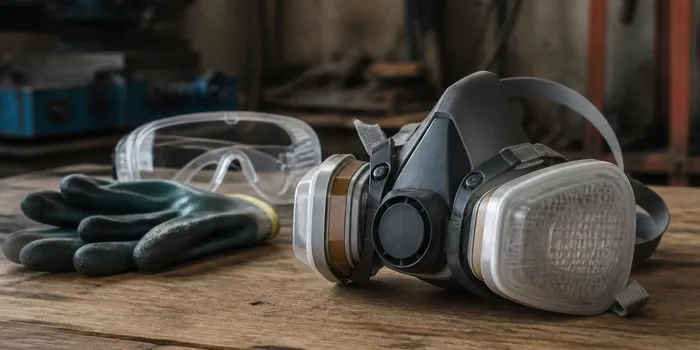
To get organophosphate poisoning prevented, start by reading and following the label. Wear protective clothing, with long sleeves, long trousers and a hat as the base layer. Add gloves, waterproof outerwear and rubber boots for the more toxic products. Wear goggles or a face shield against splashes. Avoid hand contact with concentrate and nozzles. Remove exposed clothing before entering the home, then shower and wash hands before eating. Wash spray clothing daily and apart from other laundry.
Dichlorvos misuse contrary to instructions and safety labels accounted for 65% of the 31 cases reported. Chlorpyrifos labels require chemical-resistant gloves, coveralls and respirators.
The Worker Protection Standard aims to reduce pesticide poisonings and injuries among agricultural workers and pesticide handlers. It sets an application exclusion zone around outdoor application equipment. The radius is 25 feet in some cases and 100 feet in others, depending on the application type. Pesticide handlers must suspend the application if people are in the zone.
At a grain terminal, changed work practices raised mean red cell cholinesterase from 23 to 33.6 units/gm Hb. Workers had cleaned blocked nozzles with ungloved hands before the change.
Anshu Varma tested in 2016 locally adapted protective equipment in a crossover trial of 45 farmers in Nepal. The trial found no significant difference with the locally adapted gear.