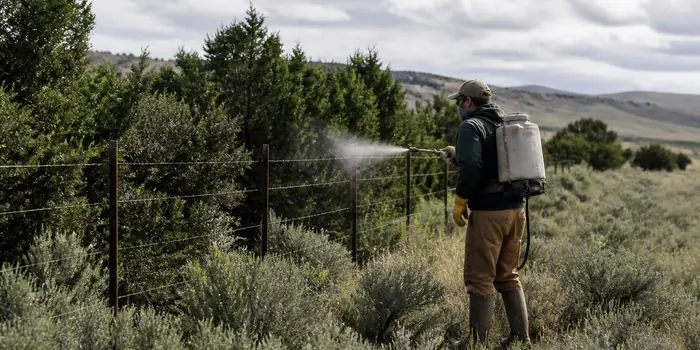
Methyl Bromide: Uses, Health Effects, Safety and Regulation
Methyl bromide is a colourless, non-flammable gas with no taste or odour at low concentration. It is a fumigant used to control pests in agriculture and shipping. It is toxic, with an oral LD50 of 214 mg/kg in rats. It causes serious health effects in the nervous system, kidneys and lungs. The US EPA classifies it as a group D carcinogen, so it is not classifiable as to human carcinogenicity. In the environment it dissipates rapidly to the atmosphere. Its use is being phased out in the United States. It is not approved for general use in the European Union, and the Montreal Protocol restricts it elsewhere.
What Is Methyl Bromide?
Methyl bromide is a colourless, non-flammable gas with no taste or odour at low concentration. Methyl bromide is usually stored as a liquid under pressure in steel cylinders or small sealed cans. Suppliers often add chloropicrin, a tearing agent, so people can detect its presence without special equipment. The US EPA lists the fumigant as a Class I ozone-depleting substance.
What Is Methyl Bromide Used For?
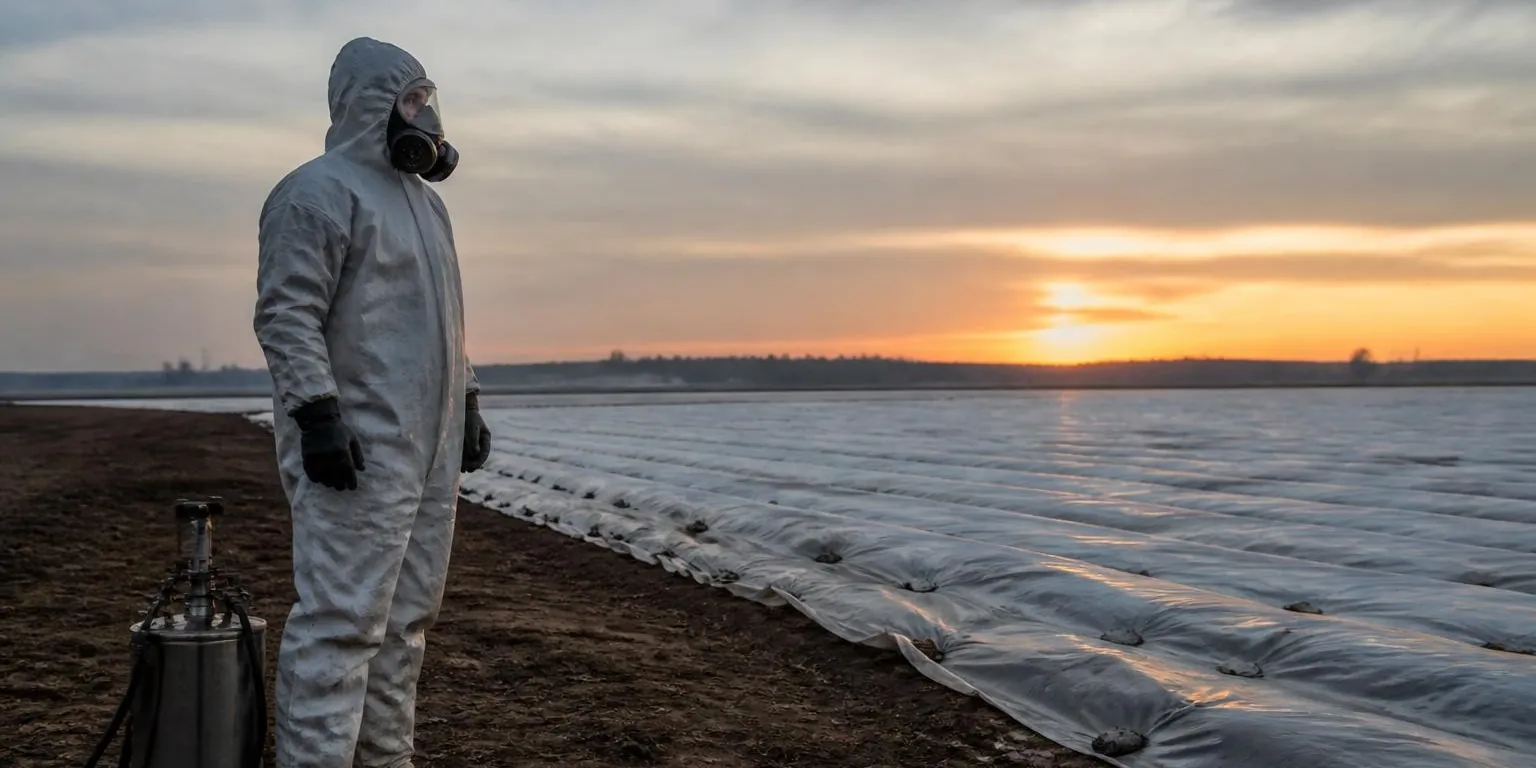
Methyl bromide is a fumigant used to control pests in agriculture and shipping. Methyl bromide acts against a wide variety of pests, including spiders, mites, fungi, plants and insects. Its main uses are soil fumigation, post-harvest protection and quarantine treatments. In California, agricultural use is primarily for strawberries and preplant soil treatment. Beginning January 1, 2005, production and use of methyl bromide faced restrictions. The NPIC Methyl Bromide technical fact sheet from 2000 records this restriction.
Is Methyl Bromide Still Used for Soil Fumigation?
It depends. Methyl bromide is still used for soil fumigation only where an exemption applies. Certain uses of methyl bromide are exempt from the phaseout. The fumigant is a broad-spectrum soil fumigant that controls fungi, weeds and insects. Regulators set exemption quantities each year, so continued use stays conditional.
How Toxic Is Methyl Bromide?
Methyl bromide is toxic, with an oral LD50 of 214 mg/kg in rats. Methyl bromide reaches a 4 hour inhalation LC50 of 3,034 mg/m3 (782 ppm) in rats. The oral value uses mg/kg, and the inhalation value uses mg/m3 and ppm. Rats show moderate toxicity when fed the compound. The US EPA calls it a toxic substance that is most dangerous at the fumigation site. A 1995 study by R S Yang found frequent use around humans and high acute toxicity caused fatal accidents.
What Are the Health Effects of Methyl Bromide?
Methyl bromide causes serious health effects in the nervous system, kidneys and lungs. Methyl bromide exposure leads to four key effects:
- Nervous system damage, including vision: Methyl bromide damages the central nervous system, including vision.
- Kidney damage: Methyl bromide causes severe kidney damage.
- Lung injury with fluid in the lungs: Delayed chemical pneumonia produces water in the lungs, known as pulmonary oedema.
- Loss of muscle function and memory after long-term exposure: Chronic long-term exposure can cause loss of muscle function and memory impairment.
In a 2013 study, Aaron de Souza of Goa Medical College linked acute poisoning to seizures, ataxia and cerebral oedema. Acute exposure can end in serious neurologic disease or even death. Workers who fumigate or unpack containers face these effects most.
What Are the Symptoms of Methyl Bromide Poisoning?
Methyl bromide poisoning causes headache, dizziness, nausea and convulsions among its symptoms. Methyl bromide poisoning symptoms fall into five groups:
- Headache and dizziness: Headache and dizziness are early symptoms of exposure.
- Nausea and vomiting: Nausea and vomiting are early symptoms that accompany the headache.
- Blurred vision and slurred speech: Blurred vision and slurred speech are early symptoms. Visual disturbances, malaise, confusion and loss of coordination can follow.
- Convulsions: Convulsions are an early symptom, and acute exposure at high concentrations may be fatal.
- Irritation of skin, eyes and airways: Skin, eye and respiratory irritation are further symptoms.
Aaron de Souza wrote in 2013 that acute poisoning results in seizures, myoclonus, ataxia or cerebral oedema. Onset comes as early as 30 min after exposure.
A 1997 study by L De Haro covered 89 methyl bromide intoxications. Two of them involved chronic exposure, and the two workers showed neurological signs of cerebello-vestibular and pyramidal deficits.
Severe Illness from Methyl Bromide Exposure at a Condominium Resort, published in 2015, describes a family of four. The family, on vacation in the US Virgin Islands, reached a hospital with a 24-hour history of progressive neurologic symptoms.
How Does Methyl Bromide Affect the Skin and Eyes?
Methyl bromide affects the skin and eyes by causing severe chemical burns of the skin, eyes and airways. Methyl bromide gas reaches the skin easily because it penetrates most protective clothing made of cloth, rubber and leather. Repeated skin exposure may cause contact dermatitis. The latency period lasts several hours before chemical burn wounds develop. Gloria R Sue’s 2017 study found that methyl bromide chemical burns are rare, with only two cases reported to date.
Is Methyl Bromide a Carcinogen?
It depends. The US EPA classifies methyl bromide as a group D carcinogen, meaning it is not classifiable as to human carcinogenicity. Human cancer risk remains uncertain because epidemiological and toxicological data only suggest a possible prostate cancer link. A 2012 paper in Environmental Health, indexed in PMC, supports this view.
Is Methyl Bromide Linked to Prostate Cancer?
It depends. Methyl bromide is linked to prostate cancer risk only as a possibility, not as a proven cause. Epidemiological evidence and toxicological data suggest a possible link between methyl bromide exposure and prostate cancer risk. These findings come from occupational and community exposure. Single nucleotide polymorphisms in xenobiotic-metabolizing enzyme genes are associated with prostate cancer risk. A 2012 study by Lygia T Budnik of the University of Hamburg covered prostate cancer and critical use exemptions.
How Does Methyl Bromide Behave in the Environment?
Methyl bromide behaves in the environment by dissipating rapidly to the atmosphere. Methyl bromide depletes the ozone layer in the atmosphere. Ozone loss acts through ultraviolet light, because the damaged layer allows increased ultraviolet radiation to reach the earth’s surface.
How Quickly Does Methyl Bromide Volatilize From Soil?
Methyl bromide volatilizes quickly from surface soil, with a half-life of 0.2 to 0.5 days. Methyl bromide leaves surface water more slowly, with a half-life of 3.1 hours to 5 days. The values are half-lives, given in days for soil and in hours to days for water. Volatilization is the route out of both soil and water.
How Is Methyl Bromide Regulated in the United States?
Methyl bromide is regulated in the United States through a phaseout of production and use. The Montreal Protocol on Substances that Deplete the Ozone Layer, an international treaty, phases out ozone-depleting substances, including methyl bromide. A separate exemption allows production and consumption for quarantine and preshipment purposes. Critical use exemption applications are due September 15 every year. The US EPA Methyl Bromide ODS phaseout page, updated March 10, 2026, sets this deadline. The rules cover production, import and use.
Is Methyl Bromide a Restricted Use Pesticide?
Yes. The US EPA has classified methyl bromide as a Restricted Use Pesticide. Methyl bromide may be purchased and used only by certified applicators or persons under their direct supervision. This restriction limits who can buy and handle the fumigant.
When Was Methyl Bromide Phased Out?
Methyl bromide was phased out in the United States on January 1, 2005. Methyl bromide production and import fell in steps until that date. The Montreal Protocol drove the phaseout. Ozone depletion by the fumigant is the reason. Critical uses and quarantine and preshipment uses remain exempt from the phaseout.
Is Methyl Bromide Approved in the European Union?
No. Methyl bromide is not approved for general use in the European Union. Regulation (EC) No 2037/2000 governs methyl bromide as an ozone-depleting substance. This EU regulation bans use after 31 December 2004, except for listed critical-use derogations. The European Commission Decision 2008/320/EC, in EUR-Lex, sets only critical-use quantities under the ODS ban.
Is Methyl Bromide Restricted Outside the United States?
Yes. Methyl bromide is restricted outside the United States under the Montreal Protocol. The Montreal Protocol is a global agreement to phase out ozone-depleting substances, and it has severely restricted use. Restrictions apply because methyl bromide is an ozone-depleting substance. Essential use exemptions are in place in many countries, including Australia.
How Can Methyl Bromide Be Used More Safely?
To get methyl bromide used more safely, start by eliminating its use if reasonably practicable. Use the lowest amount of methyl bromide necessary. Provide adequate engineering controls, including adequate ventilation. Vent containers of methyl bromide before workers enter them. Train workers and require personal protective equipment. Note that Zeenathnisa Mougammadou Aribou found in 2022 that workplace controls keep fumigant exposure at the lowest practical level.
What Personal Protective Equipment Is Needed for Methyl Bromide?
To choose the personal protective equipment needed for methyl bromide, start with respiratory protection, chemical-resistant gloves and goggles. Add any other PPE deemed necessary for methyl bromide work. Train workers in the correct fitting, use and maintenance of PPE. Follow the instructions and controls in safety data sheets and product labels. Avoid ordinary protective clothing, because the gas penetrates it. Zeenathnisa Mougammadou Aribou, in the Journal of occupational medicine and toxicology, links protective equipment to low fumigant exposure.
Who Can Apply Methyl Bromide Fumigation?
Only a licensed fumigator can apply methyl bromide fumigation. Methyl bromide fumigation must follow the licence rule for fumigation work. The workers most at risk are fumigators, quarantine contractors and those unpacking shipping containers.