Paraquat Pesticide
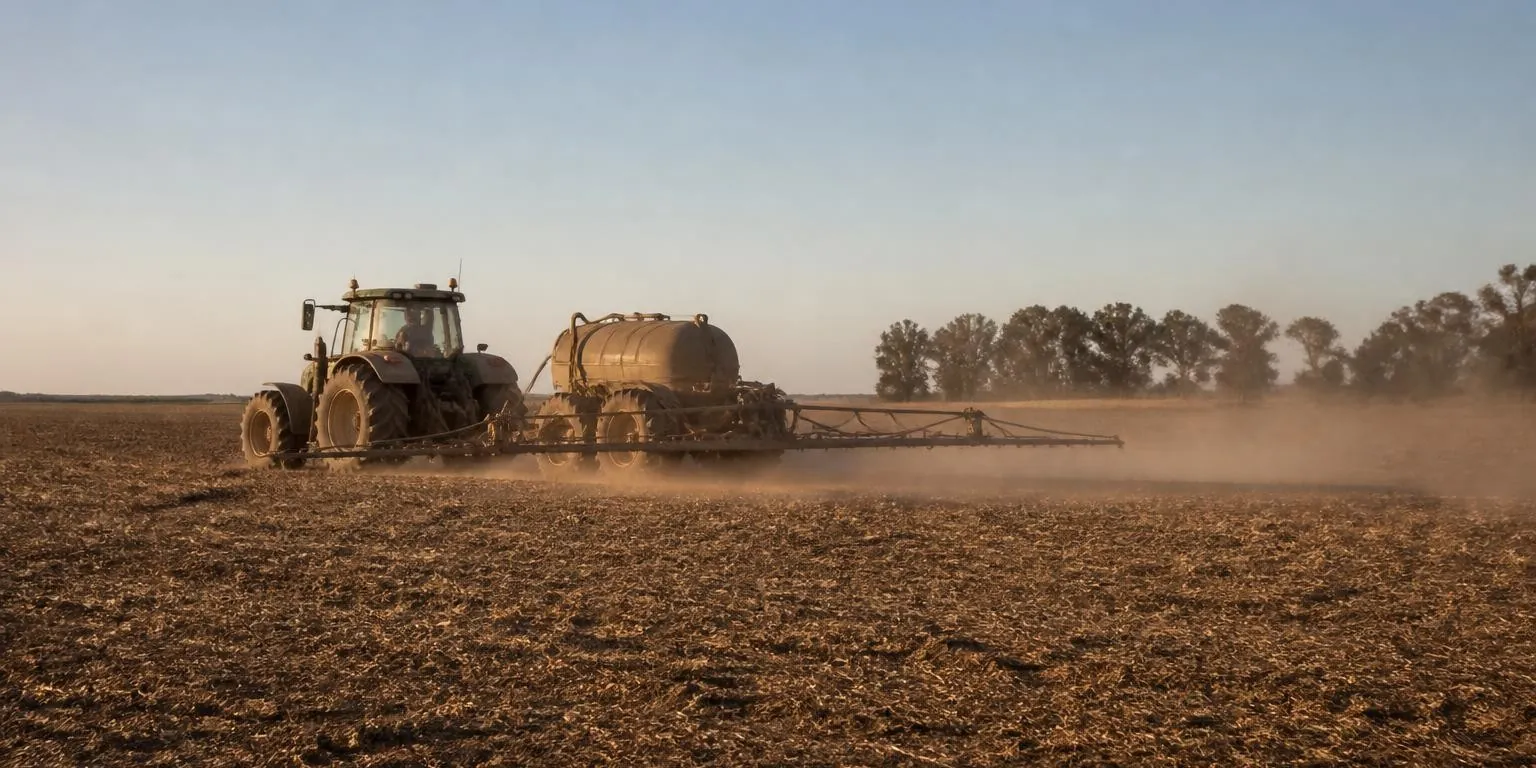
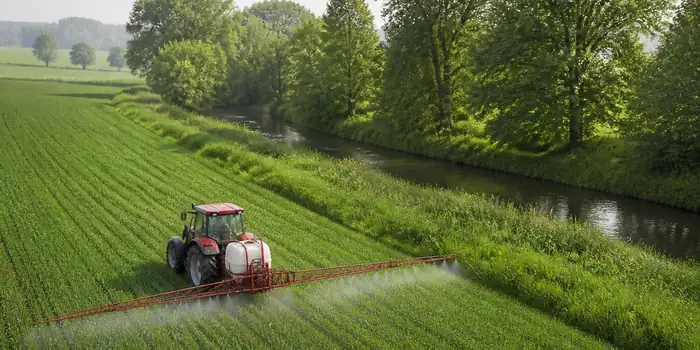
Paraquat, or paraquat dichloride, is a synthetic herbicide sold in products such as Gramoxone and Firestorm. It is used on grains, vegetables, peanuts and animal feed crops. The gastrointestinal tract absorbs it quickly. The damage reaches the lungs as inflammation and scarring that lead to pulmonary fibrosis. It is deadly, with an LD50 of roughly 3 to 5 mg/kg in humans. Anyone exposed should seek medical attention immediately. Some studies link paraquat to Parkinson’s disease and others do not. Several countries have banned or withdrawn it, while the United States regulates it under FIFRA. It binds strongly to soil, and spray can drift onto bystanders at the edge of a field.
What Is Paraquat?
Paraquat, or paraquat dichloride, is a synthetic herbicide of the bipyridylnium chemical family. Paraquat is only formulated as a liquid. It kills all vegetation that it touches, which makes it a nonselective contact herbicide. A 1987 study by G R Sagar in Human toxicology describes paraquat as a relatively non-selective foliage-applied contact herbicide. The United States first registered paraquat in 1964 and completed reregistration in 1997.
Is Paraquat a Restricted-Use Pesticide?
Yes. Paraquat products are restricted-use pesticides in the United States. Every registered product carries that Restricted Use Pesticide class. Only trained certified applicators may use these products. EPA classified all paraquat products as restricted-use pesticides in 1978 because of their high acute toxicity. Homeowners have no paraquat uses, and no product is registered for application in residential areas. Only people with special training and certification can buy or use paraquat. Leah Utyasheva wrote in 2025 about the regulation of paraquat. EPA is updating the label statement to let drivers without certification transport paraquat when certain conditions are met.
Which Products Contain Paraquat?
Products that contain paraquat include Gramoxone, Firestorm, Helmquat and Parazone. Paraquat dichloride is the active ingredient, and growers know these products by many trade names. The United States has 24 registered pesticide products that contain paraquat. Store products differ from pure paraquat because they include other ingredients as well. Every one of these products comes as a liquid. G R Sagar covered the uses and usefulness of paraquat in a 1987 paper. Label changes and supplemental warning materials highlight the toxicity and risks of paraquat products. New packaging requirements aim to minimize the illegal transfer of paraquat to beverage containers.
Which Crops Is Paraquat Used On?
Paraquat is used on a wide variety of crops, including grains, vegetables, peanuts and animal feed crops. Paraquat serves as a plant growth regulator for sucker control on orchard crops, hops and grapes. Growers apply it as a desiccant on potatoes and cotton before harvest. It is used in pastures and in non-crop areas such as fencerows, airports and electric substations. A 2004 study by Richard H Bromilow explains that paraquat is active only by direct spray onto plants. Strong soil binding deactivates it. Organic agricultural production does not use paraquat.
How Does Paraquat Poisoning Happen?
Paraquat poisoning happens when paraquat enters the body, and the gastrointestinal tract absorbs it quickly. Paraquat builds up in lung tissue no matter how the person or animal was exposed. Rats absorbed 8-14% of a dose they swallowed in one study. Indika B Gawarammana found in 2011 that paraquat is rapidly but incompletely absorbed. The body largely eliminates it unchanged in urine within 12-24 h. Paraquat is corrosive to the mucosal lining of the gut. Inside cells, paraquat generates reactive oxygen species. These species cause cellular damage via lipid peroxidation, activation of NF-κB, mitochondrial damage and apoptosis in many organs. Redox cycling with cellular diaphorases drives this damage, because it elevates intracellular levels of superoxide. Deliberate self-harm explains the poisonings in the case series by Archana Nair in 2026, where all patients reported intentional intake.
Which Exposure Routes Cause Paraquat Poisoning?
The exposure routes that cause paraquat poisoning are ingestion, dermal (skin) contact, inhalation and eye contact. Paraquat reaches the body by these routes, and key routes include the four below. A study by Indika B Gawarammana from the University of Peradeniya found that the gut absorbs paraquat rapidly but incompletely.
- Ingestion: Swallowing is the route that has killed people, who accidentally drank paraquat stored in beverage containers. The body clears much of an absorbed dose in urine within 12-24 h.
- Dermal (skin) contact: Skin contact is a weak route for undamaged skin, because human volunteers absorbed only 0.3% of paraquat over 24 hours. Skin is still the most exposed organ while spraying fields.
- Inhalation: Inhalation is a minor route for systemic poisoning, because paraquat is not expected to cause systemic toxicity at the amount people are likely to inhale. It still irritates the airways, as the symptoms below show.
- Eye contact: Eye contact is a localized route, since paraquat is moderately to severely toxic to eye tissue. The damage stays in the eye rather than spreading through the body.
What Are the Symptoms of Paraquat Poisoning?
The symptoms of paraquat poisoning depend on the route of exposure. Paraquat produces different signs by route, and key symptoms include the five below. Archana Nair in Wilderness & environmental medicine lists common presenting symptoms. They include nausea, throat pain, dysphagia, abdominal pain, vomiting and shortness of breath.
- Skin exposure: Pain, itchiness, redness, welts, hives, irritation, peeling skin, swelling, blisters, discharge and lesions follow skin contact. These signs are local, but they show that the skin took a real dose.
- Inhalation: Nosebleeds, skin irritation, an irritated upper respiratory tract, cough, chest pain, vomiting and headaches occurred in people who inhaled a fine mist. A person very close to an application site can get spray on the skin or breathe it in.
- Ingestion: Burning in the mouth, throat, esophagus, chest and upper abdomen follows swallowing, because paraquat damages the mucosal lining. Rapid, short breaths and coughing begin within 2 to 4 days.
- Eye exposure: Ocular irritation was a main clinical manifestation in a 2023 Frontiers report on inhaled paraquat. Eye signs are early, but the lungs carry the greater danger.
- Heart effects after ingestion: A very rapid, uneven heartbeat can develop after swallowing paraquat. Circulatory failure can cause death within the first 24 hours. Ingestion above 30 mL of a 20% formulation is almost uniformly lethal.
How Does Paraquat Damage the Lungs?
Paraquat damages the lungs by causing inflammation and scarring that leads to pulmonary fibrosis. Paraquat targets the lung specifically, so lung injury is the most prominent effect, as a 2023 Frontiers report states. It produces oxidative stress by redox cycling with a variety of cellular diaphorases and oxygen, which creates superoxide radicals. Fang He reported in 2018 that paraquat poisoning causes multiple organ failure. The lung is the primary target. Chest CT showed lung injury in all eight patients with inhaled paraquat, mainly exudative lesions and pleural effusion. The damage can occur from a few hours to 14 days after exposure.
How Is Paraquat Poisoning Treated?
To get paraquat poisoning treated, start with the first step: seek medical attention immediately if anyone is exposed to paraquat. Call the Poison Control Center at 800-222-1222, because paraquat has no antidote and swallowing small amounts can be fatal. Limit further absorption with activated charcoal or Fuller’s earth. A paper from 2011 titled Medical management of paraquat ingestion advises this. Give a single dose to consenting patients who have a protected airway. Avoid gastric lavage, because that paper says it should not be performed. Use glucocorticoids early, since early glucocorticoids, comprehensive measures, prevention of lung infections and organ protection have beneficial effects. All eight patients with inhaled paraquat survived after sufficient glucocorticoid impact therapy. Weigh haemodialysis with care, because a 2022 study by Nastaran Eizadi-Mood found that it did not affect survival. Expect poor outcomes after severe ingestion, since only 3 patients survived in a 2026 study by Archana Nair.
Is Paraquat Linked to Parkinson’s Disease?
It depends. Paraquat is linked to Parkinson’s disease in some studies and not in others. A 2019 study by Carolina Vaccari found that Parkinson’s disease occurrence was 25% higher in participants exposed to paraquat. Nine case-control studies produced that result. Parkinson’s disease is a neurodegenerative disease that mainly affects the central nervous system, with both motor and non-motor effects. EPA has not found a clear link between paraquat exposure from labeled uses and Parkinson’s disease or cancer. An updated Agricultural Health Study cohort publication in 2020 reported no association with Parkinson’s disease. It did not replicate the 2011 findings that suggested a potential association. A 2024 assessment revealed no association between paraquat exposure and Parkinson’s disease. With the results of the most recent analyses, there is no compelling scientific argument for claiming causality. Under the Federal Insecticide, Fungicide, and Rodenticide Act, applicants must show a pesticide will not generally cause unreasonable adverse effects.
How Deadly Is Paraquat Poisoning?
Paraquat poisoning is deadly at an LD50 of roughly 3 to 5 mg/kg in humans, based on reported exposures. People died after swallowing as little as 14 mg/kg of a product containing paraquat. Accidental ingestion of a mistaken drink causes approximately 1 to 2 deaths per year in the United States. Wei Huang found in 2023 that serum creatinine is an effective predictor of mortality in paraquat poisoning. Pesticide-associated mortality in Korea fell from 9.7% of deaths in 2009 to 2010 to 6.5% in 2012 to 2013.
How Have Other Countries Regulated Paraquat?
Other countries have regulated paraquat through bans, phase-outs and withdrawals from the market. Paraquat is not authorised in at least 74 countries, according to a 2025 study by Leah Utyasheva. National and regional bans and phase-outs were effective at reducing paraquat poisoning and deaths. South Korea annulled the authorized use of paraquat in 2011 and banned its purchase in 2012. A 2019 study by Haesoo Kim found that prohibiting the herbicide was an effective suicide-prevention strategy. Sri Lanka banned paraquat, dimethoate and fenthion. Researchers linked this to lower pesticide suicide mortality and lower overall suicide mortality, despite a small rise in other methods. Marseille, France showed unchanged paraquat suicide attempts despite the European Union ban of July 2007. Restrictions on use and application did not always result in a significant reduction in poisoning or suicide mortality.
How Is Paraquat Regulated in the United States?
Paraquat is regulated in the United States under the Federal Insecticide, Fungicide, and Rodenticide Act. Paraquat went into registration review, which EPA initiated in 2011 and which re-evaluates each registered pesticide on a 15-year cycle. The Act authorizes the EPA to regulate the distribution, sale, production, and use of pesticides and pesticide devices. The US Environmental Protection Agency in 2025 confirms the interim decision of July 2021. EPA released it after considering public comments on the proposed interim decision. The decision limits aerial applications to a maximum of 350 acres per applicator per 24-hr period. Cotton desiccation is the exception. It requires a 7-day restricted entry interval for cotton desiccation. In November 2025, EPA released a memorandum that incorporates a new vapor pressure study. The memorandum shows greater uncertainty about whether paraquat can volatilize than previously considered.
What Happens to Paraquat in the Environment?
What happens to paraquat in the environment is strong binding to soil. Paraquat has no residual activity in soil. This means paraquat is not expected to keep killing plants after it is first applied. Paraquat is highly persistent in soil, with reported field half-lives of greater than 1000 days. Terry R Roberts found in 2002 that soil strongly adsorbs some 99.99% of paraquat under typical Good Agricultural Practice. Soil particles and organic matter limit the bioavailability of paraquat to plants, earthworms and microorganisms. Sediment binds paraquat in water, where limited oxygen may make it even more persistent than on land. The 2019 draft ecological risk assessment identified potential risk to mammals, birds, terrestrial invertebrates, terrestrial plants and algae. EPA decisions under the Federal Insecticide, Fungicide, and Rodenticide Act must be consistent with other statutes. The Endangered Species Act is one example.
How Can Paraquat Exposure Be Reduced?
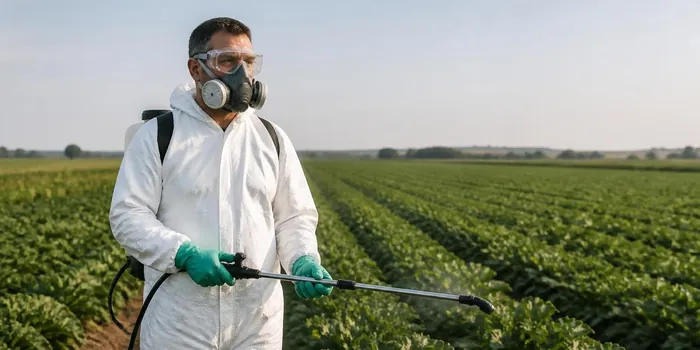
To keep paraquat exposure reduced, start with a certified applicator who completed the paraquat-specific training before use. Restrict mixing, loading and applying to that applicator. Unlike most restricted-use products, paraquat may not be used by persons working under supervision. Repeat the training every 3 years. Never transfer paraquat to a food, drink or any other container. Wear the personal protective equipment that the product label specifies. EPA required additional protective equipment and restricted entry intervals for crops. Protect the skin first, because R Spiewak reported in 2001 that skin is the most exposed organ during field spraying.
Can Paraquat Drift Onto Bystanders?
Yes. Paraquat spray can drift onto bystanders at the edge of the field, as EPA identified potential risks from spray drift. R Spiewak’s paper Pesticides as a cause of occupational skin diseases in farmers found skin most exposed when spraying. People very close to an application site can get paraquat on the skin or breathe it in. EPA requires a residential area drift buffer for all aerial applications. EPA required mandatory spray drift management label language to reduce off-target drift and protect non-target plants and wildlife.