Arsenic Pesticides: History, Health Risks and Current Status
Arsenic pesticides are insecticides, fungicides, herbicides and defoliants with an inorganic or organic arsenic active ingredient. They were used in the past mainly as lead arsenate in apple orchards. Arsenic is still used in pesticides, since MSMA stays registered for cotton and turf uses. It enters the body mainly by ingestion. Health effects include acute arsenic poisoning, chronic skin changes, cancer, cardiovascular and metabolic disease, and developmental effects. Arsenic from old pesticides stays in soil, because arsenic is an element and does not break down. Treatment starts with washing arsenical pesticide from skin and hair with copious soap and water. To reduce exposure, start by testing private wells and the soil around them.
What Are Arsenic Pesticides?
Arsenic pesticides are insecticides, fungicides, herbicides and defoliants with an inorganic or organic arsenic active ingredient. These arsenic pesticides rest on arsenic, a naturally occurring metalloid with metal and nonmetal properties. Arsenic combined with elements other than carbon is called inorganic arsenic. Arsenic combined with carbon and hydrogen is called organic arsenic. The organic arsenicals are monosodium methanearsonate (MSMA), disodium methanearsonate (DSMA), calcium acid methanearsonate (CAMA), and cacodylic acid.
Arsenic trioxide forms when smelters collect arsenic-rich dust and take out the arsenic. Arsenic is a natural component of the earth’s crust and is widely distributed in air, water and land. Industry uses arsenic in glass, pigments, textiles, wood preservatives and, to a limited extent, pesticides. The World Health Organization lists arsenic among its chemicals of major public health concern.
A 2006 study by Samuel M Cohen found that MMA and DMA form from inorganic arsenic in liver cells. Arsine gas is not a pesticide, although pesticide manufacturing and metal refining release it as a byproduct. Arsenic toxicity involves reversible combination with thiol groups in tissue proteins and enzymes. Arsenic anions substitute for phosphate in reactions critical to oxidative phosphorylation. Inorganic arsenic compounds are highly toxic, while organic compounds such as those in seafood are less harmful.
What Are the Types of Arsenic Pesticides?
The types of arsenic pesticides are inorganic arsenicals, arsenic trioxide and organic arsenicals. Key types include:
- Lead arsenate: an inorganic insecticide for fruit trees. It was a main inorganic arsenic derivative in agriculture, and its heavy metals persist in soil.
- Calcium arsenate: an inorganic compound used against weeds and grubs. It shared the agricultural market with lead arsenate and sodium arsenite.
- Sodium arsenite: an inorganic compound that usually refers to NaAsO2. Growers applied it as a vineyard fungicide, and arsenites are more toxic than arsenates.
- Arsenic trioxide: a white, trivalent inorganic compound sold for ant baits. Its use in baits has exposed children by ingestion.
- MSMA, DSMA, CAMA and cacodylic acid: the organic arsenical herbicides. They kill weeds without damaging grass, and they can be applied after weeds are visible.
Paris green, a copper acetoarsenite pigment, was an insecticide that is no longer used in the United States. Water solutions of arsenic acid served as defoliants and herbicides.
Organic arsenicals in the pentavalent arsonate form incur the least hazard of the arsenicals used as pesticides. In Critical reviews in toxicology, Samuel M Cohen reported MMA and DMA as pesticide ingredients and arsenic metabolites. IARC classifies cacodylic acid (DMA) and MMA as possibly carcinogenic to humans. Arsine gas is the most toxic form of arsenic, yet it is not a pesticide.
How Were Arsenic Pesticides Used in the Past?
Arsenic pesticides were used in the past mainly as lead arsenate in apple orchards. Growers first sprayed lead arsenate on apple trees in the 1890s to combat the codling moth. Lead arsenate was popular with farmers because of its effectiveness, low cost, ease of use and persistence. In the early 1900s lead arsenate was the most widely used pesticide in the U.S. Growers combined lead and arsenic to form lead arsenate and sprayed it on fruit trees.
Washington orchards sprayed lead arsenate between 1890 and 1950, so some trees received it for decades. Increased use led to pesticide resistance, which forced growers to raise rates and application frequency. Calcium arsenate and copper arsenate joined lead arsenate in controlling insects through the middle of the 20th century.
Lead arsenate, calcium arsenate and sodium arsenite served as fungicides and insecticides in France. They protected mainly grapevines, potatoes and fruit trees. Mark A Higgins described in the Journal of environmental quality how legacy pesticides contaminate soil and groundwater.
Paris green became the preferred beetle control despite concerns about arsenic on food crops. Arsenical herbicides containing cacodylic acid were used extensively in the USA, from golf courses to cotton fields.
Historic crabgrass killer applications left arsenic at a few hundred to more than 1000 mg/kg in Denver lawn soil.
Is Arsenic Still Used in Pesticides?
Yes. Arsenic is still used in pesticides, since MSMA stays registered for cotton and turf uses. Arsenic trioxide ant baits stay on the market, although inorganic agricultural uses have ended. Inorganic arsenic compounds can no longer be used in agriculture, while organic arsenicals remain registered. No US pesticide has used inorganic arsenic compounds since 1993.
MSMA remains approved for sod farms, golf courses and highway rights-of-way. EPA delayed removing turf uses until its review of the carcinogenic mode of action of inorganic arsenic is complete. The delay means the remaining MSMA use is not yet secure.
Arsenic pesticides worldwide remain in circulation, because many arsenic compounds are still widely available in some countries. Many homes and farms hold leftover supplies of discontinued compounds that continue to present risk. Writing in Regulatory toxicology and pharmacology, I Palma-Lara calls arsenic exposure a public health problem leading to several cancers.
The Food Quality Protection Act requires EPA to reassess older pesticide tolerances against a new safety standard. In September 2009 EPA cancelled all remaining products containing DSMA, CAMA, cacodylic acid and its sodium salt.
When Were Arsenic Pesticides Banned?
Arsenic pesticides were banned in stages, and EPA cancelled all insecticidal uses of lead arsenate on August 1, 1988. States banned lead arsenate from the 1950s, and a nationwide ban followed only in 1988. Farmers switched from lead arsenate to DDT after the 1940s, and codling moth resistance sped the decline.
Inorganic arsenic compounds left US pesticides in 1993, before the organic phase-out reached its 2013 date. That organic phase-out kept one exception on cotton. The 2006 Reregistration Eligibility Decision found all uses of the organic arsenical herbicides ineligible for reregistration.
The 2009 agreement with manufacturers removed all organic uses except MSMA on cotton and turf. Organic arsenicals convert in soil to more toxic inorganic arsenic, and they can contaminate drinking water through runoff. That conversion is why regulators ended these uses. In September 2012 EPA added a National Academy of Sciences peer review to the agreement. EPA waits for that review of inorganic arsenic before deciding on the remaining MSMA turf uses.
On March 17, 2003, EPA granted voluntary cancellation of virtually all residential uses of chromated copper arsenate. France ended arsenic pesticide use with a total ban in 2001.
In Regulatory toxicology and pharmacology, Pamela J Mink reviewed low-level arsenic in drinking water and bladder cancer.
What Restrictions Apply to MSMA Today?
The restrictions that apply to monosodium methanearsonate (MSMA) today cover four registered uses. EPA restricts each use to prevent inorganic arsenic exposure in drinking water. Key restrictions include:
- Golf courses: spot treatments only. Each spot covers 100 square feet (about 9.3 square meters), and treated spots may not exceed 25 percent of the course acreage per year.
- Sod farms: one to two broadcast passes a season. The label requires a 25-foot streamside setback.
- Highway rights-of-way: two broadcast applications per year. The label requires a 100-foot setback from lakes and streams.
- Cotton: two post-emergent applications per season. Each application is limited to 2 pounds of active ingredient per acre (about 2.24 kg per hectare), with a 50-foot (about 15 meters) buffer around permanent water bodies.
Monosodium methanearsonate remains under registration review. EPA determined that the turf uses do not meet the FIFRA registration standard at this time. Under FIFRA no individual may sell, use or distribute a pesticide not registered with EPA. EPA postponed their removal until the National Academy of Sciences review is finished.
Steven H Lamm wrote a 2021 review of low-dose arsenic risks and human cancers.
Is Arsenic Still Used in Wood Preservatives and Animal Feed?
It depends. Arsenic is still used in some wood preservatives, but not in residential lumber or roxarsone feed. Chromated copper arsenate (CCA) remains in industrial wood, and one arsenic feed drug stayed approved in 2013. EPA cancelled virtually all residential uses of CCA-treated wood, including play structures, decks and picnic tables. Affected CCA products could not be used after December 30, 2003 to treat lumber for most residential settings.
Chromated copper arsenate is still used for industrial purposes. Wood for permanent wood foundations and agricultural fence posts could continue to be treated with CCA.
Roxarsone is an organic form of arsenic that poultry producers fed to chickens from the 1940s. The Food and Drug Administration found in 2011 that the livers of roxarsone-treated chickens had elevated inorganic arsenic. Pfizer’s subsidiary suspended US sales of roxarsone in June 2011. Nitarsone was the only remaining approved arsenic-based animal drug in 2013, and broiler production did not use it.
A 2015 study by Daniel J Fisher in Environmental science & technology found that roxarsone ends up in poultry litter. Aged litter contains predominately inorganic arsenic. Roxarsone can transform into inorganic arsenic that accumulates in the edible portions of chickens. Cooked conventional chicken had a geometric mean of 1.8 µg/kg inorganic arsenic. Cooked organic chicken had 0.6 µg/kg.
How Does Arsenic From Pesticides Enter the Body?
Arsenic from pesticides enters the body mainly by ingestion. Swallowed arsenic in water, soil or food is quickly taken into the body. Inhalation brings in arsenic dust that settles on the lining of the lungs. Skin contact passes only a small amount of arsenic, which is usually not of concern.
A 2020 study by I Palma-Lara estimated that 70-90% of ingested inorganic arsenic is absorbed by the gut. Most inorganic arsenic leaves in urine within several days, though some remains for months or longer.
Children face higher exposure risk because of normal hand-to-mouth activity and soil eating. Arsenic ant baits have been a source of childhood exposure by ingestion. Contact with adults whose clothing carries arsenic dust can expose children.
Approximately 2 tons of arsenic pesticide placed near a household well contaminated the family’s drinking water. People who smoke tobacco are exposed to the natural inorganic arsenic that tobacco plants take up from soil. Sodium arsenite can be inhaled or absorbed through the skin.
What Health Effects Do Arsenic Pesticides Cause?
Arsenic pesticides cause acute arsenic poisoning, chronic skin changes, cancer, cardiovascular and metabolic disease, and developmental effects. The effects depend on the form and the dose. Key effects include:
- Acute poisoning: a large amount absorbed over a short time. It damages the gastrointestinal and nervous systems.
- Chronic skin changes: the result of lesser doses absorbed over a longer time. They show as pigmentation and hyperkeratosis.
- Cancer: a long-term outcome of exposure. Skin, lung and bladder cancers are the main concern.
- Cardiovascular and metabolic disease: long-term ingestion is linked to heart disease and diabetes. Pulmonary disease belongs to the same group.
- Developmental effects: harm from exposure in early life. The effects can persist into adulthood.
Target organs of absorbed arsenicals include the nervous system, blood vessels, liver and kidney. In Annual review of public health, Allan H Smith linked early life exposure to remarkable increases in young adult mortality. Contaminated drinking water and food are the greatest public health threat from arsenic. Exposure in utero and early childhood has been linked to higher mortality in young adults.
The World Health Organization estimates that 140 million people in 70 countries drink water above its 10 μg/L guideline. Inorganic arsenic compounds are highly toxic, while organic compounds are less harmful. The Joint FAO/WHO Expert Committee on Food Additives re-evaluated the effects of arsenic on human health in 2010. EPA maintains the Integrated Risk Information System, a database of human health effects of environmental substances.
What Are the Symptoms of Acute Arsenic Poisoning?
The symptoms of acute arsenic poisoning are gastrointestinal symptoms first, then nervous system effects and organ injury. Symptom onset usually falls within 1 hour after ingestion, but it may be delayed several hours. Key symptoms include:
- Vomiting and abdominal pain: the most common effects. They come with rice-water or bloody diarrhea.
- Metallic taste and garlic breath: signs that help identify arsenic as the toxicant. A garlic odor appears on the breath and feces.
- Headache, dizziness and confusion: nervous system effects. They can progress through drowsiness and delirium to coma and convulsions.
- Kidney, liver and heart injury: organ damage that shows as proteinuria, jaundice and arrhythmia. It adds to the circulatory strain.
Lethal poisoning ends in death usually 1-3 days after symptom onset. Circulatory failure is often the cause.
A 2004 study by Vigdis Olsen listed dysphagia, nausea, vomiting, abdominal pain, diarrhoea, intense thirst and muscle cramps.
What Are the Effects of Long-Term Arsenic Exposure?
The effects of long-term arsenic exposure begin with skin changes, and they spread to the nerves, heart and metabolism. Skin lesions occur after a minimum exposure of approximately five years. Key effects include:
- Skin pigmentation changes: darkened patches on the skin. They are the most characteristic effect of long-term oral exposure.
- Hyperkeratosis: corns or warts on the palms, soles and torso. It may precede skin cancer.
- Mees lines: white striations across the nails. These lines mark chronic continuous exposure.
- Peripheral neuropathy: numbness in the hands and feet. Chelation does not reverse an established neuropathy.
- Cardiovascular and metabolic disease: heart disease and diabetes. Pulmonary disease and developmental effects belong to the same group.
A 2002 study by Alan H Hall reported common pigmentation changes, palmar and plantar hyperkeratoses, anemia and liver disease. Bowen’s disease is squamous cell carcinoma in situ, and arsenic exposure is one of its risk factors. Symptoms differ between individuals, population groups and geographical areas.
A 2020 study by Dona Sinha examined low-level arsenic of 50 μg/L or less. Such populations might not show skin lesions but might be subclinically affected. Where water arsenic is 10-50 μg/L, the Joint FAO/WHO Expert Committee concluded that adverse effects are possible.
Do Arsenic Pesticides Cause Cancer?
Yes. Arsenic pesticides cause cancer, since IARC classifies inorganic arsenic compounds as carcinogenic to humans. The evidence is sufficient for lung, bladder and skin cancer. The US National Toxicology Program classifies them as known human carcinogens.
Agricultural arsenical exposure shows excess skin and lung cancer risk in occupational and environmental studies of organic arsenicals. A 2006 study by Hsin-Su Yu documented cancers of the lung, bladder, kidney, liver and skin from drinking water. The cancers follow a dose-response relationship. Oxidative stress, chromosomal abnormality and altered growth factors are possible modes of action.
Household well contamination produced skin cancer in 8 of 12 suspected arsenicosis patients. The well had received approximately 2 tons of arsenic-based pesticides. Years later the well water held 620 μg/L of arsenic.
Organic arsenicals carry less certain cancer risk. DMA caused bladder cancer only in rats at high doses and was negative in mice.
How Much Arsenic Is Toxic?
Not much arsenic is needed to be toxic: 78-180 mg of arsenic trioxide is lethal in an adult. Arsenic trioxide is lethal at 1-2.5 mg/kg in a child.
Urinary arsenic above 100 µg per day is abnormal. Above 200 µg per day it reflects a toxic intake unless seafood was eaten. A 24-hour urine collection is the most common way to confirm excessive absorption. Seafood meals within 48 hours can raise 24-hour urine arsenic to 200 µg/day or more.
A 2021 study by Steven H Lamm found higher bladder, lung and skin cancer risks at 200 ug/L or greater.
The WHO provisional guideline value for arsenic in drinking water is 10 μg/L (10 parts per billion). WHO calls it provisional because removing arsenic from drinking water is difficult. The Safe Drinking Water Act amendments of 1996 directed EPA to issue the arsenic rule. EPA lowered the drinking-water maximum contaminant level for arsenic from 50 to 10 µg/L. The final rule appeared in January 2001, with compliance after 5 years.
The Occupational Safety and Health Administration limits workplace inorganic arsenic to 10 micrograms per cubic meter of air. The limit is an 8-hour average.
Why Does Arsenic From Old Pesticides Stay in Soil?
Arsenic from old pesticides stays in soil because arsenic is an element and does not break down. Lead arsenate residue stays toxic for decades after use. Lead and arsenic settle in the top 12 to 18 inches (about 30 to 46 centimeters) of topsoil.
More than 100,000 acres (about 40,000 hectares) of former orchard land in Central Washington still contain lead and arsenic. A 2022 study by Mark A Higgins found the highest arsenic in wells nearest impacted orchard soils. The Connecticut analysis covered 189 orchards and 114 domestic wells.
Monosodium methanearsonate (MSMA) converts over time in soil to more toxic inorganic arsenic. Washington sets the arsenic cleanup level at 20 parts per million under the Model Toxics Control Act.
How Is Arsenic Poisoning Treated?
To have arsenic poisoning treated, start with washing arsenical pesticide from skin and hair with copious soap and water. Chelation then follows, because chelating agents given within hours may prevent the full effects of arsenic toxicity. Stabilize circulation with intravenous fluids and electrolytes, because hemodynamic stabilization is key to acute management. Decontaminate the gut soon after ingestion.
Dimercaprol (BAL) was previously the most frequently recommended chelating agent for arsenic. DMPS or DMSA now replace it, because they are more water soluble and orally given. Penicillamine was a second-line treatment after dimercaprol. Monitor kidney, heart and urine arsenic afterwards.
A 2020 study by Valeria M Nurchi showed that BAL, DMPS and DMSA exploit arsenic’s affinity for vicinal dithiols. The same study states that prevention by reducing exposure should be the prioritized strategy. Alan H Hall listed dimercaprol, DMSA and DMPS as treatment options in Toxicology letters.
Chelation does not help every patient. An established arsenical neuropathy is not improved by chelation therapy. Chronic arsenic poisoning calls for identifying and removing the toxic source. Urinary arsenic above 35 microgram per liter marks excessive occupational exposure.
How Can People Reduce Exposure to Arsenic From Pesticides?
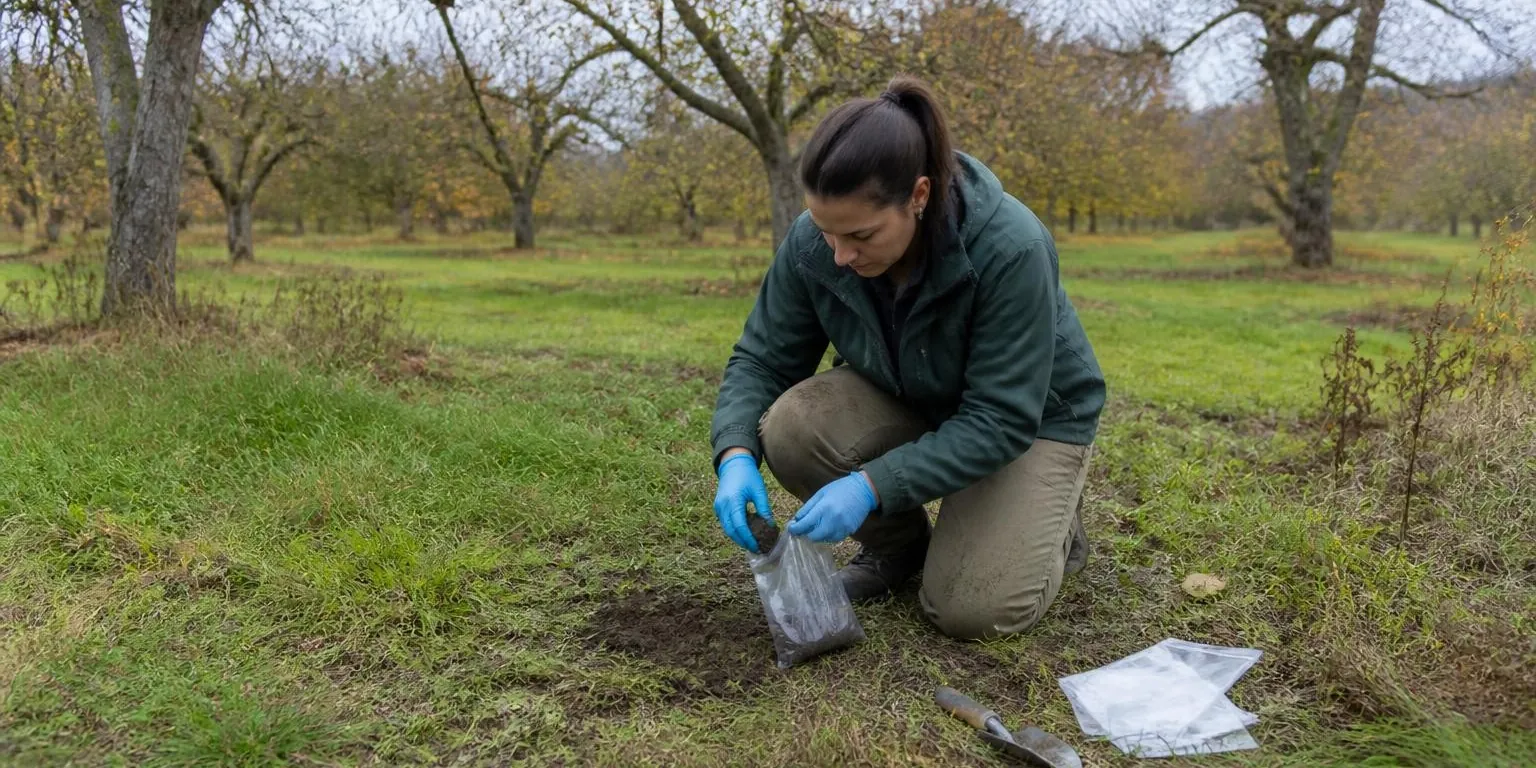
To help people reduce exposure to arsenic from pesticides, start with testing private wells and the soil around them. Test private well water for arsenic, because wells used for drinking and cooking should be tested. Check whether the property sits on former orchard land. Washington Ecology offers free soil sampling for such properties.
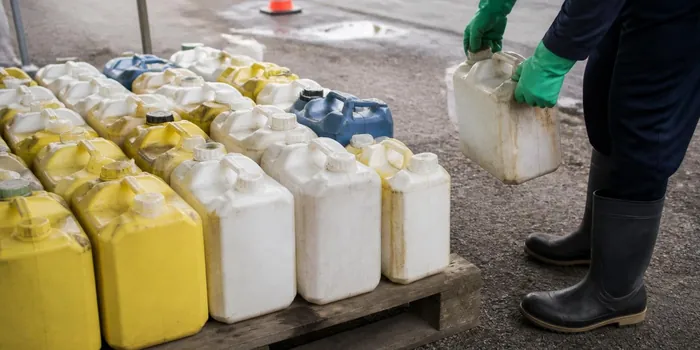
Arsenic-treated wood needs care: dust masks, gloves and protective clothing limit exposure to its sawdust. Never burn arsenic-treated wood. Consumers may continue to buy and use treated CCA wood for as long as it is available. Store and dispose of old arsenic pesticides and ant baits safely. Use an alternative water source when arsenic exceeds 10 ppb (10 μg/L), the EPA limit for public water systems.
A 2025 study by Dominika A Jegen reported that 23 million US households rely on private wells for drinking water. Those wells are unregulated and unmonitored, so they are vulnerable to contamination. Communities near farm fields or orchards where arsenic pesticides were used may have contaminated soil.
A safe water supply is the most important community action, covering drinking, food preparation and irrigation. WHO supports it by setting guideline values, reviewing evidence and giving risk management recommendations.