Safe Pesticides for Indoor Use
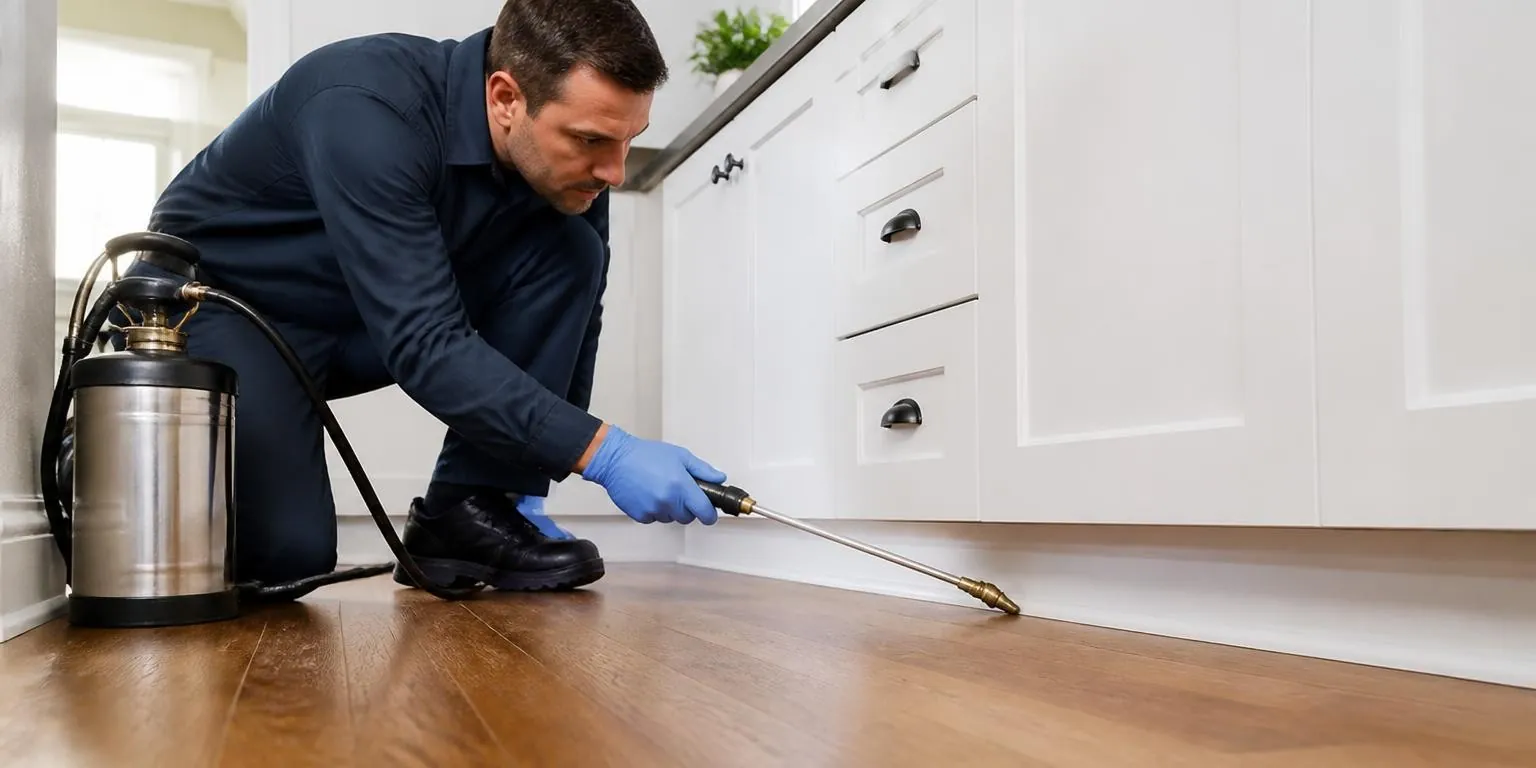
Indoor pesticide use is safe only with an indoor label and the labeled amount. The least toxic options are oils, soaps and microbes, and products come as sprays, dusts, and liquid or station baits. Outdoor pesticides cannot be used indoors, because ATSDR warns against it under any circumstances. People should stay out for the label time, usually 2 to 4 hours after a fogger. Pesticides are semi-volatile organic compounds, so they enter the air and settle on surfaces. Children and pets stay safe only when the product, the amount and the precautions keep exposure low. Removing food and water sources and destroying pest shelters reduces the need for pesticides. After exposure, call poison control at 1-800-222-1222 first.
Are Pesticides Safe to Use Indoors?
It depends. Indoor pesticide use is safe only with an indoor label and the labeled amount. Pesticides are inherently toxic, and the label of a registered product states when and how to use it. A 2015 study by Anne-Marie Saillenfait found that non-occupational pyrethroid exposure comes mainly from food residues. Ingestion of or skin contact with contaminated house dust adds to it after domestic use. The air inside homes can hold measurable levels of up to a dozen pesticides. The risk depends on the toxicity of the ingredients and on how much a person meets. Extension guidance treats insecticides indoors as a last resort that complements sanitation, exclusion and mechanical disposal. Integrated Pest Management applies this approach at home, in the garden and at work. Even products approved for indoor use cause harm when applied in excess or against the label. Indoor use is common, because 75 percent of U.S. households used at least one pesticide product indoors during the past year.
What Are the Least Toxic Pesticides for Indoor Use?
The least toxic pesticides for indoor use are oils, soaps and microbes. The term least toxic describes the effect on human health or the environment, not on the pest. Key types include:
- Insecticidal soaps: Soaps count as a least-toxic class of insecticide. They have no residual activity, so the user must spray the insect directly.
- Horticultural oils: Oils count as a least-toxic class of insecticide. They are more refined than essential oils, which may damage plant foliage.
- Bacillus thuringiensis (microbial insecticide): Bt is a microbe-based insecticide named as a least-toxic example. Its israelensis form, applied to soil, attacks fungus gnat larvae but not adults.
- Boric acid: Boric acid kills insects that eat it.
- Diatomaceous earth: Diatomaceous earth comes from the fossilized remains of tiny aquatic organisms called diatoms. Thousands of non-pesticide products contain it, so a product name alone does not prove insect control.
- Essential oils: Eugenol, the active component of clove oil, is a fast-acting contact insecticide against ants, cockroaches, fleas and spiders. Essential oils biodegrade easily, and eugenol leaves only a lingering scent of cloves.
Neem oil appears in over 100 pesticide products. Plant-derived insecticides break down quickly, so timing must be precise or applications more frequent. Persistence is a factor in safety, and fast-degrading products need exact application. Boric acid from household products gives a very low internal boron dose, M Richold reported in 1998. Pesticide registration review keeps the safety record current, because EPA opens a public docket for each registration case.
Since 1996 EPA has not required approval for essential oil ingredients marketed as insecticides. EPA exempts minimum risk pesticides from FIFRA registration because it found little to no risk to people or the environment. The Federal Insecticide, Fungicide, and Rodenticide Act authorizes EPA to regulate the sale, production and use of pesticides.
Is Boric Acid Safe to Use Indoors?
It depends. Boric acid is low in toxicity by mouth and skin, but form and placement decide its safety indoors. Sub-lethal exposure of cockroaches to boric acid raises Bla g 2 excretion. Borax, which is sodium tetraborate decahydrate, is low in toxicity too. Borax can be corrosive to the eye and irritating to skin. A 1997 study by J A Moore reported that the body absorbs boric acid and borax completely by mouth. Absorption through intact skin is negligible. A 1998 study titled Boron exposure from consumer products found a very low internal dose of boron from household products. Boric acid enters the body rapidly when eaten and poorly through intact skin. Most of it leaves in urine within 4 days. Products with boric acid have been registered in the United States since 1948, and over 500 are on sale. Infants are more sensitive, and some who ate large amounts had nervous system effects. Exposure happens at home when children or pets can reach the products. Animals that eat boric acid can show signs of poisoning within 2 hours.
What Types of Indoor Pesticide Products Are Available?
The types of indoor pesticide products available are sprays, dusts, and liquid or station baits. Key types include:
- Sprays: Sprays are liquids applied from an aerosol can or a trigger pump. Residual sprays persist for several hours to several weeks, while non-residual sprays work only during treatment.
- Dusts: Dusts are a very fine powder spread in a thin layer or injected into cracks, crevices and voids. Boric acid and diatomaceous earth are common in them, and dusts belong only where children and pets cannot reach.
- Liquid and station baits: Baits serve mainly against cockroaches and ants. The pest must eat the bait for it to work, and the user must keep baits out of reach of children and pets.
- Total release foggers (bombs): Foggers release the whole can at once into a room. They do not reach insects hiding in walls and attics.
Residual insecticides control pests for days or weeks, and they suit ants, cockroaches and fleas. Non-residual products control pests only on contact and usually contain pyrethrin. Pyrethrins are commonly used to control mosquitoes, fleas, flies and moths. Spinosad is an insecticide based on compounds found in the bacterium Saccharopolyspora spinosa. Methoprene is a biological pesticide because it interferes with an insect’s lifecycle and prevents it from reaching maturity or reproducing. Insecticides must not contaminate food or food handling surfaces. In 2012, Susan C Jones found that over-the-counter foggers did not control bed bugs.
Do Bait Stations Lower Exposure Compared With Sprays?
Yes. Bait stations lower exposure compared with sprays, because baits confine the insecticide in a small area. A 2019 study by Zachary C DeVries found surface residues 603 times higher than baseline after fogger discharge. The median increase was 85 times. The study covered 20 cockroach-infested U.S. homes and four fogger products. Gel baits caused significant declines in cockroach populations in 10 homes, while foggers failed to reduce them. Blattella germanica, the German cockroach, was the species of concern. A bait works when the pest eats it and carries the insecticide back to its colony. Fipronil is a broad use insecticide from the phenylpyrazole family. Hydramethylnon is an insecticide used mainly in baits for cockroaches and ants. Ant, snail and rodent baits go in locked bait stations or out of reach of children. Many pets find baits appetizing, so placement matters.
| Attribute | Bait stations | Sprays and foggers |
|---|---|---|
| Exposure containment | Insecticide stays in a small area | Insecticide spreads across the room |
| Residue left on surfaces | Small amount | Fogger residue rose 603 times above baseline |
| Effect on pest populations | Gel baits cut cockroach numbers | Foggers did not reduce cockroach numbers |
Are Total Release Foggers Safe?
It depends. Total release foggers are safe only under strict limits, and field studies show high residues and poor pest control. EPA says foggers can work in proper circumstances but pose real risks when misused. Fogger propellants are typically flammable, so use in small enclosed places may cause an explosion. EPA recommends placing a fogger at least 6 feet from ignition sources. Users should run no more than 1 fogger per room. A typical 6 oz. fogger treats up to 25 by 25 feet of unobstructed space. A 2009 study by James J Keenan found cypermethrin residue depended on room size and fogger distance. Cypermethrin is a synthetic pyrethroid used in consumer products for domestic purposes. Zachary C DeVries from North Carolina State University found significant pesticide deposits throughout the kitchen. Foggers failed to reduce cockroach populations in that work. Foggers did not harm bed bugs that hid in harborage, and fogger droplets do not penetrate bed bug hiding spaces. Susan C Jones from The Ohio State University reported that little insecticide reaches typical bed bug harborage sites. To cut risk, users should notify others, use door tags, vacate immediately and air out on return.
Can Outdoor Pesticides Be Used Indoors?
No. Outdoor pesticides cannot be used indoors, because ATSDR warns that they should not be used indoors under any circumstances. Bifenthrin is a pyrethroid insecticide, and like other outdoor products it carries no indoor label. Many outdoor pesticides break down in water, sunlight and air. Without these conditions indoors they may linger. Lawn and garden liquid concentrates must not enter the house. NPIC logged 169 calls on indoor pesticide use for bed bugs from January 2006 to December 2010. The National Pesticide Information Center has no regulatory authority over pesticides. Of those calls, 129 led to mild or serious health effects, including one death. In 2011, the Centers for Disease Control and Prevention (CDC) counted 111 illnesses tied to bed bug insecticides. The illnesses came from seven U.S. states between 2003 and 2010. Permethrin affects the nervous system in insects. Pyrethroids, pyrethrins or both appeared in 89 percent of those cases, and 81 percent were of low severity. Excessive application, failure to wash treated bedding and inadequate notification were the most common contributing factors. Misapplication of an outdoor-only product in two occupied Ohio apartments led to evacuation and loss of furniture, clothing and toys.
How to Choose a Safe Indoor Pesticide?
To choose a safe indoor pesticide, start with the product label. The label shows an EPA registration number, indoor use and the target pest. The Environmental Protection Agency must evaluate pesticides before manufacturers can sell them in the United States. Identify the pest first, because many pests look alike and products are insect-specific. A concentrate needs mixing directions on its label as well. Pick a ready-to-use spray, dust or bait marketed for in-home use, and never take a lawn and garden concentrate indoors. Compare signal words, since the signal word shows the acute toxicity of the formulated product. Select the least toxic option that works. The Design for the Environment label marks qualifying antimicrobial and biopesticide products. A 2011 study by the Centers for Disease Control and Prevention (CDC) named excessive application as a top factor. Buy only what is needed. Store pesticides out of reach of children and pets, in unopened original containers. The Office of Pesticide Programs regulates the manufacture and use of all pesticides, including insecticides, rodenticides and disinfectants.
What Do Pesticide Signal Words Mean?
Pesticide signal words mean the acute toxicity level, and they rank products from CAUTION to DANGER. Key types include:
- CAUTION: CAUTION marks a product that is slightly toxic if eaten, absorbed through the skin or inhaled. It sits in Toxicity Category III, with an oral LD50 above 500 through 5000 mg/kg, and it causes slight eye or skin irritation.
- WARNING: WARNING marks a product that is moderately toxic by those routes. It sits in Category II, with an oral LD50 above 50 through 500 mg/kg, and it causes moderate eye or skin irritation.
- DANGER: DANGER marks a product that is highly toxic by at least one route and may cause irreversible damage to skin or eyes. It sits in Category I, with an oral LD50 up to and including 50 mg/kg, and DANGER-POISON marks products fatal at very low doses.
DANGER, WARNING and CAUTION rest on the highest toxicity across oral, inhalation, dermal and eye or skin tests. Mei Chen linked indoor insecticides to childhood leukemia and lymphoma in 2015, a chronic outcome no signal word shows. Signal words reflect single-exposure toxicity only. They say nothing about chronic effects such as cancer or reproductive problems, or about wildlife.
How to Reduce Exposure When Using Pesticides Indoors?
To reduce exposure when using pesticides indoors, follow the 7 steps below. Label directions and ventilation lower the pesticide dose that people meet.
- Follow the label directions exactly, because the label states how to use the product correctly and legally. Wear the protective clothing the label names when mixing, handling or applying.
- Apply only the recommended quantity, since more is not better. Repeat or excess applications beyond the label can be unsafe, and there is insufficient understanding of what pesticide concentrations are needed to produce health effects.
- Mix or dilute concentrates outdoors, which keeps the concentrated product out of the home.
- Increase ventilation during use, because pesticides are semi-volatile organic compounds that add to airborne organics.
- Take plants and pets outdoors when applying, and remove children, toys and uncovered food from the treated area.
- Use nonchemical pest control where possible, which lowers the need for any product at all.
- Store and dispose of leftovers safely. Keep products in original containers, never in food or beverage containers, and do not store unneeded pesticides inside the home.
A 2000 study by R Lemus found that residues from indoor applications settle on floors, carpets, toys, food and dust.
How Long Should People Stay Out After an Indoor Treatment?
People should stay out after an indoor treatment for the label time, usually 2 to 4 hours after a fogger. Sprays need drying and airing before children and pets return. The product label sets the time to stay out. Pets stay away for the label time or until sprays have dried completely, whichever is longer. Granular lawn products can require keeping pets off for 24 hours or longer. James J Keenan from the University of California Riverside found that fogger residue depended on room size and distance. On return, open doors and windows to ventilate remaining fumes. Fans in doors and windows help air out the room.
Are Indoor Pesticides Safe for Children?
It depends. Indoor pesticides are safe for children only when the product, the dose and the handling keep exposure low. Infants and children are more sensitive than adults to the toxic effects of pesticides. A baby’s immature liver and kidneys remove pesticides less well than an adult’s. Children spend time close to the ground, crawl on treated carpet and put fingers, toys and objects in their mouths. In 2012, Marsha K Morgan reviewed 15 published articles on children’s home exposure. The children were aged 5 months to 17 years. At least seven pyrethroids turned up in wipe, dust, food and air samples. A 2015 study by Mei Chen tied indoor, not outdoor, insecticide exposure to higher childhood leukemia and lymphoma risk. That meta-analysis included few studies and called for more research. It is particularly dangerous for children to reoccupy a home with wet surfaces or pesticide dusts. In households with children under five, almost one-half stored a pesticide product within reach. Diazinon is a contact insecticide that alters neurotransmission in insects. Keep children out until areas are dry and ventilated, place baits in locked stations and store products out of reach.
Are Indoor Pesticides Safe for Pets?
It depends. Indoor pesticides are safe for pets only when the product, the amount and the precautions keep exposure low. Animals are exposed when they breathe in a product, absorb it through the skin or ingest it. A pet’s risk depends on how much pesticide it meets and on the toxicity to that type of animal. A 2010 study by Philippe Berny found dogs were the most commonly poisoned species in five European countries. Most companion animal cases there came from insecticides. America’s Poison Centers maintains the National Poison Data System, a near real-time surveillance database in the United States. Signs of poisoning start within 2 hours when an animal eats boric acid. Remove pets, toys, bedding and bowls from the treated area. Cover fish tanks, because foggers create a fine mist that can reach the tank pumps. Keep pets out until the area is dry and ventilated, and use secure bait stations. Illness in pets after a pest control application can be the first warning of misuse or over-application.
How Do Indoor Pesticides Affect Indoor Air Quality?
Indoor pesticides affect indoor air quality because pesticides are semi-volatile organic compounds that enter the air and settle on surfaces. Home air carries up to a dozen measurable pesticides. Home residues exceed what recent use explains. Other sources include contaminated soil or dust tracked in, stored containers and surfaces that release pesticides. Toxic residues can remain on treated surfaces after the pesticide has dried. A 2012 study by Marsha K Morgan found permethrin in over 50 percent of wipe, dust, food and air samples. Permethrin is an insecticide in the pyrethroid family. Urinary 3-PBA, a pyrethroid biomarker, appeared in at least 67 percent of samples. Studies sample floor wipes, dust, food, air and urine. A 2000 study by R Lemus from the University of Pittsburgh linked chlorpyrifos exposure to indoor applications. Inhaled air and residues on floors, carpets, toys, food and dust carry it to people. Chlorpyrifos is an organophosphate insecticide used mainly against foliage and soil-borne pests. One study cited by EPA puts 80 percent of most people’s pesticide exposure indoors. Science still lacks clear knowledge of which concentrations produce health effects.
What Pest Control Works Before Using Pesticides?
To control pests before using pesticides, start with removing food and water sources and destroying pest shelters and breeding sites. Integrated Pest Management makes this the most effective way to reduce pest problems. It is an environmentally sensitive approach that relies on a combination of common-sense practices. It combines methods to prevent and eliminate pests in the most effective and least hazardous manner. Inspect and monitor the home, reduce clutter and add physical barriers. IPM programs use current information on the life cycles of pests and their interaction with the environment. Check the conditions that let the pest thrive, because they can often be changed. Apply pesticides only if needed, since in most cases chemicals alone will not eliminate pests. A 2012 study in Journal of economic entomology showed why foggers cannot be the only method against bed bugs. Little insecticide reaches their hiding places.
What Are the Safest Pesticides for Indoor Plants?
The safest pesticides for indoor plants are labeled products such as pyrethrins, neem oil and soaps. Key types include:
- Insecticidal soap (potassium fatty acids): Soap has no residual activity and must hit the insect directly. Homemade soap products can burn plants, so users should not mix them.
- Pyrethrins: Pyrethrins are found in over 2,000 registered pesticide products. They have no residual activity and must be sprayed directly on the insect.
- Plant oil extracts: Plant oil extracts are labeled for indoor plants. Only a limited number of products exist, so buyers must check the label.
- Neem oil: Neem oil is a naturally occurring biopesticide from the seeds of the neem tree. It disrupts insect growth and acts for days or weeks, and azadirachtin is its most active component.
- Bacillus thuringiensis israelensis: Bt israelensis applied to soil attacks fungus gnat larvae but not adults. Flying adults stay untouched.
Nonchemical methods such as washing leaves, handpicking and pruning manage many indoor plant insect problems. Imidacloprid is a systemic insecticide that plants take up from soil or leaves. It spreads through stems, leaves, fruit and flowers. Isolate newly acquired plants for 1 to 2 weeks so pest problems become visible. Anne-Marie Saillenfait showed in 2015 that domestic pyrethroid use leaves contaminated house dust.
What to Do After Indoor Pesticide Exposure?
To respond to indoor pesticide exposure, start with a call to poison control at 1-800-222-1222. Call a hospital emergency room or NPIC at 1-800-858-7378 as well. Seek medical care immediately when you feel sick after a pesticide is used in the home. The National Pesticide Information Center is a collaboration between Oregon State University and EPA. It gives science-based information on pesticides and their poisonings. Typical symptoms include headache, nausea, vomiting, diarrhea, dizziness and muscle tremors. Give responders the brand name and active ingredient of the product. Call a veterinarian or the National Animal Poison Control Center at 1-888-426-4435 for a sick pet. The National Poison Data System holds more than 53 million poison exposure case records. Avoid bleach where the pesticide was applied, because it can convert some pesticides to more toxic forms. Report possible misuse to the state pesticide regulatory agency. The California Department of Pesticide Regulation is one of six boards and offices of the California Environmental Protection Agency. A sick pet needs fast care, because insecticides caused most companion animal poisonings, Philippe Berny reported in 2010.